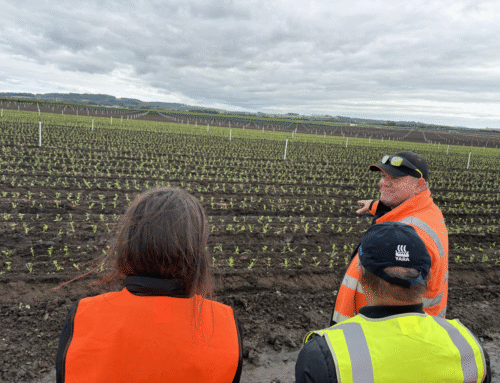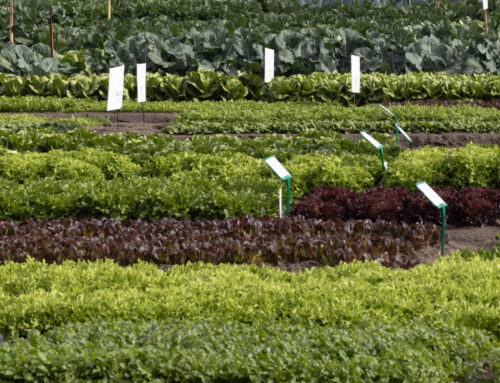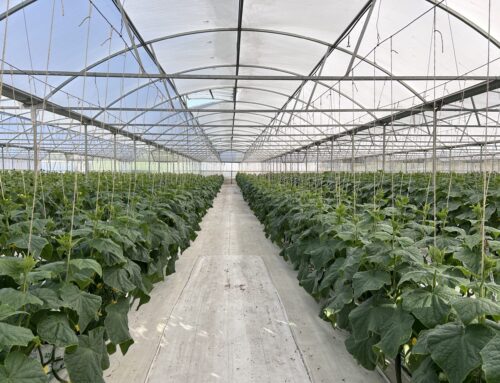
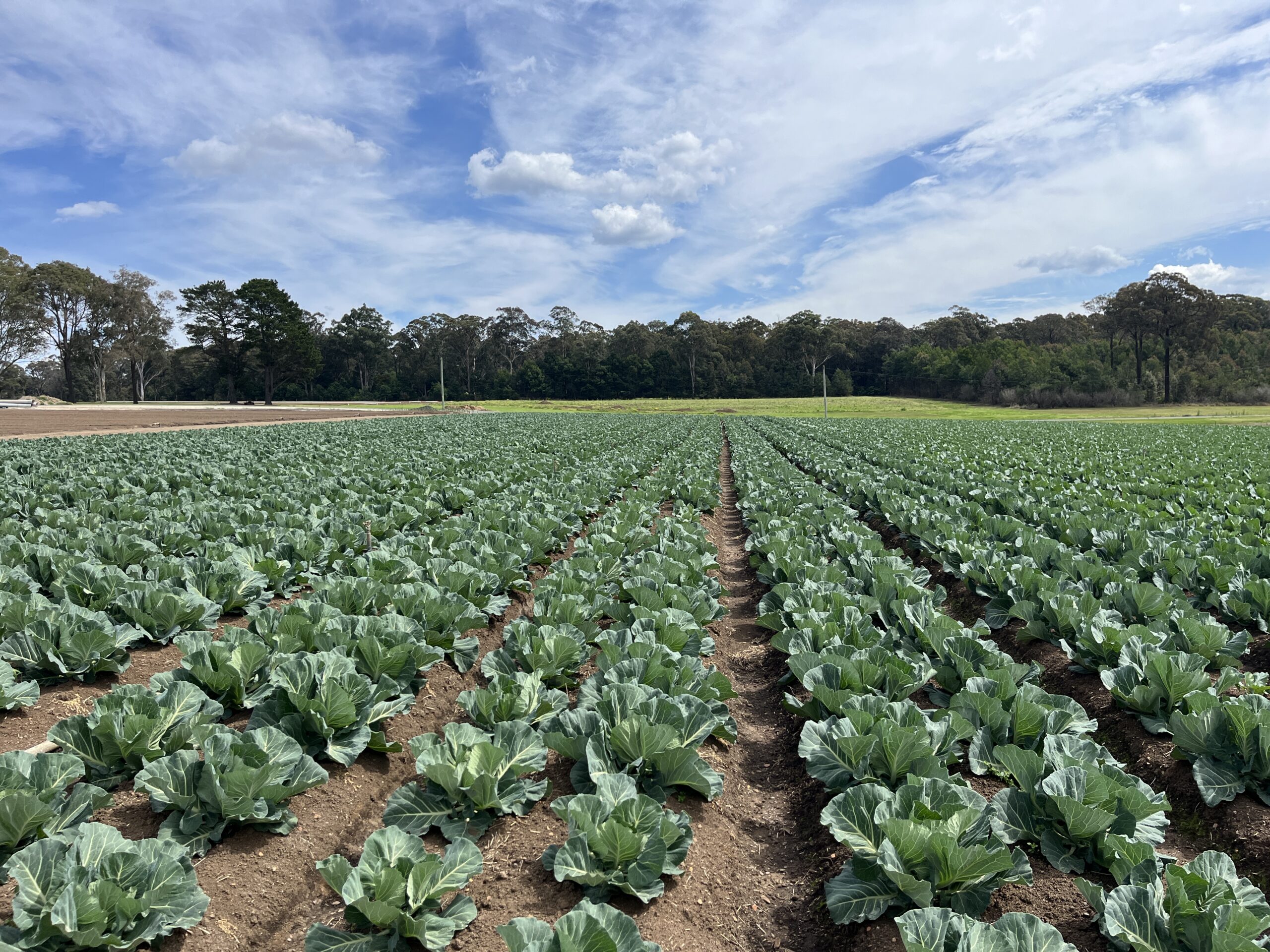
Phil Bartolo grows cabbages on a slightly elevated site in Oakdale, part of the Sydney basin. This elevation allows him to successfully produce cabbage through the summer months, tapping into a valuable niche window in the market.
The farm sits on rich clay loam soils in excellent condition. Phil’s healthy soils are not a coincidence. As he largely runs the farm on his own, managing everything from field work through to transport, and with more land available than capacity to work it, he has taken a more measured approach to management.
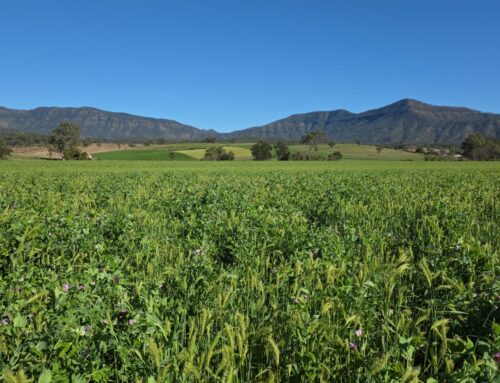
Rather than pushing the system hard, Phil uses cover crops between cash crops to protect, maintain, and steadily build soil health over time.
However, despite the key signs of a heathy soil, and the effort invested into growing legumes for nitrogen supply, cabbage crop performance was not quite meeting expectations.
A key part of Phil’s system involved roller crimping the mixed cereal and legume cover crop and leaving residues on the soil surface for up to six months to protect the soil, reduce erosion, and suppress weeds. What remained unclear was how much plant-available nitrogen was still left for the cabbage crop after this period, and whether different tillage methods used for bed preparation influenced both soil health and nitrogen availability.
To better understand these dynamics, this trial set out to measure and better understand what was happening within the system.