The Soil Wealth ICP project develops informative and timely resources in a range of formats.
These resources target specific vegetable and melon issues and allow growers to apply knowledge to solve problems within their business.
Resources have been developed by the Soil Wealth ICP project team and a range of R&D service providers. We acknowledge the valuable work done by these teams in developing the resources and will share new information as they become available.
Use the search function below to filter resources by area, crop, topic or type.
You can also search across these options by adding multiple key words into the search box (e.g. NSW brassica cover crops).
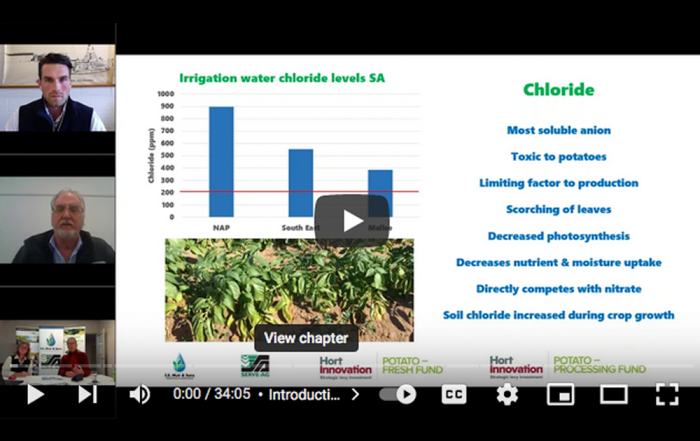
Salinity and potato production (Part 2 of 4): Know your salts to better manage potato nutrition
Think you know your salts? Watch this interactive webinar recording to find out how growers can better manage salinity and potato nutrition. Topics discussed include chloride toxicity, chloride and nitrate competition, sodium, bicarbonates,...
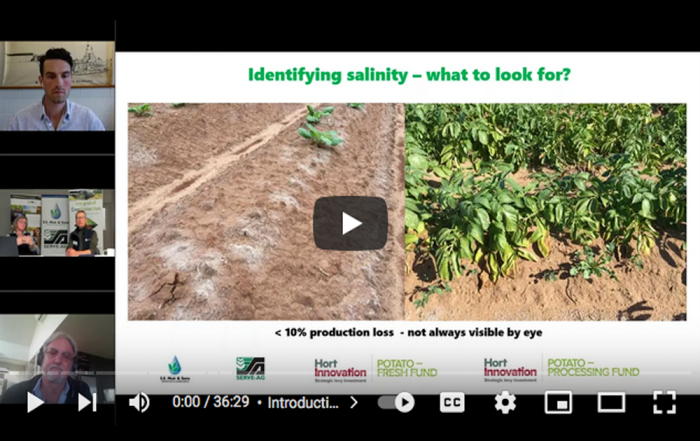
Salinity and potato production (Part 1 of 4): Monitoring for improved management
This webinar focused on the causes, impacts and associated costs of salinity monitoring for improved potato production, including EM mapping, soil and water monitoring and SAP testing. Watch this interactive panel discussion with...
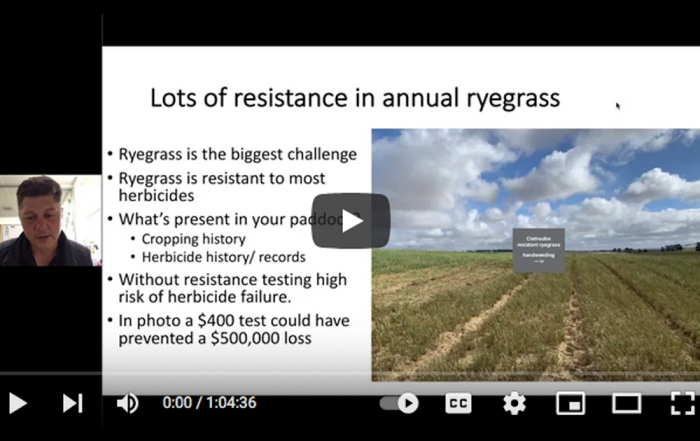
Herbicide resistance in onion cropping systems
Watch the Onion Project's interactive and informative webinar with onion industry specialist, Dr Peter Boutsalis from Plant Science Consulting. Download presentation slides
Lessons from the field: Translating precision agriculture data at Fresh Select, Werribee South
Headquartered in Melbourne’s Werribee South region, Fresh Select is one of the largest lettuce and brassica growers in Australia. As a leader in innovation, sustainable farming techniques and responsible practices, the company is also...
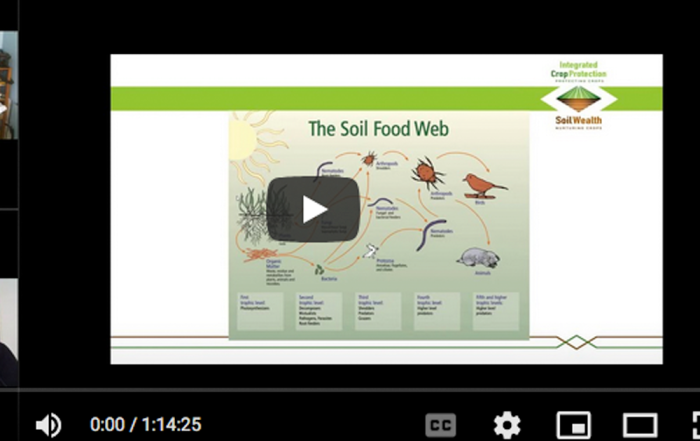
Cover crops and soil biology in vegetable soils
Join Dr Kelvin Montagu (AHR) and Dr Shane Powell (University of Tasmania) for a webinar on the impacts of cover crops on soil biology where we consider the questions: • How diverse are...
Nutrition management resources
Managing plant nutrition is integral to producing a healthy, profitable vegetable crop. The Soil Wealth ICP team has collated a range of informative resources to help growers, advisors and other vegetable industry service providers...
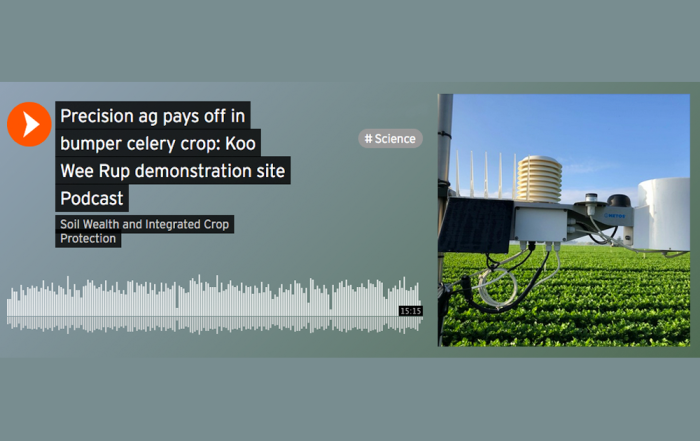
Precision ag pays off in bumper celery crop: Koo Wee Rup demonstration site podcast (15 min listen)
Over the past two years, Victorian vegetable growing operation Schreurs & Sons and the Soil Wealth ICP team have partnered to explore the application of precision agriculture in celery, leek and baby leaf production...
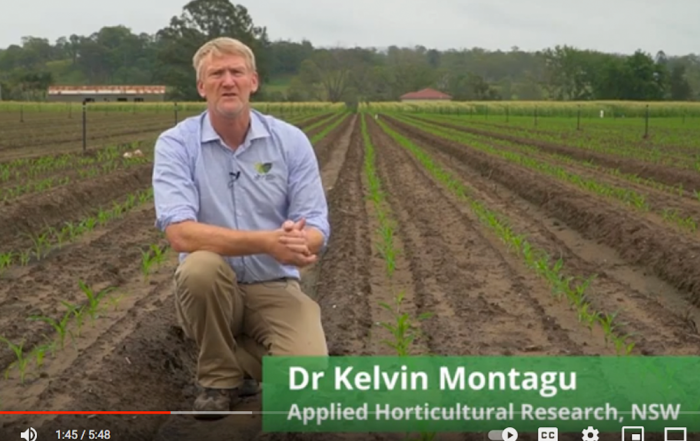
Cover crop trial discussion: East Gippsland Vegetable Innovation Days
Join Dr Kelvin Montagu (AHR, Soil Wealth ICP team), John Duff (Queensland Department of Agriculture and Fisheries) and Carl Larsen (RMCG, Soil Wealth ICP team) as they discuss the results of a cover...
Potato soft rot podcast (9 min listen)
Management of rots, both in the field and post-harvest, is an ongoing challenge for potato producers. Agronomists Marc Hinderager and Dr Pieter Van Nieuwenhuyse discuss a trial that was set up to explore the...
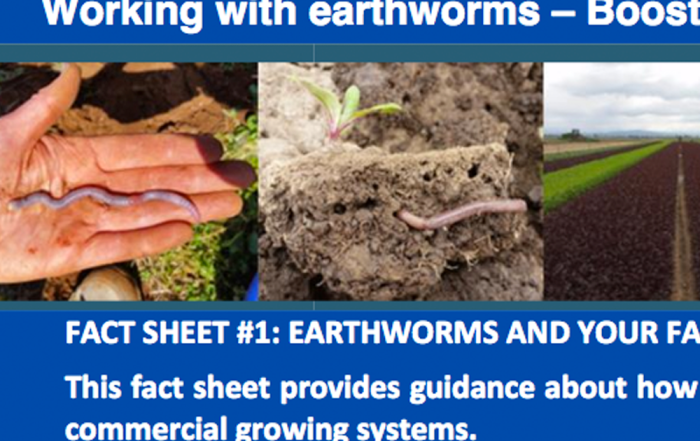
Working with earthworms to boost soil productivity
Earthworms are known to be an indicator of healthy soil function, with the ability to improve soil structure and fertility as well as promote root and plant growth. Until recently, limited research was conducted...
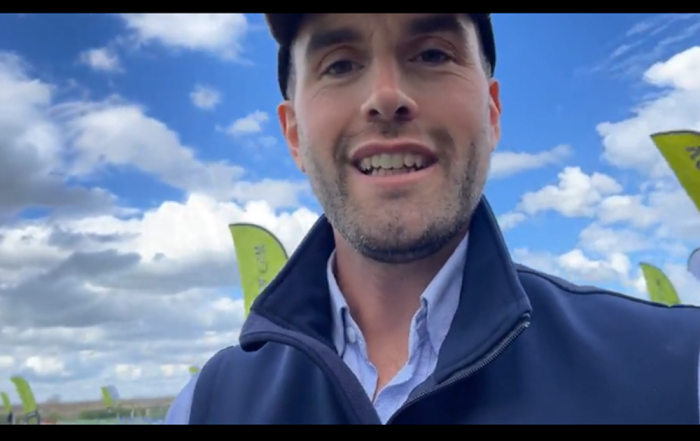
Soil Wealth ICP broadcasts live from EGVID 2020
The Soil Wealth ICP team was pleased to support the 2020 East Gippsland Vegetable Innovation Days (EGVID), which were held from 5-7 May in Lindenow. Spanning over two hectares, the EGVID demonstration site offered...
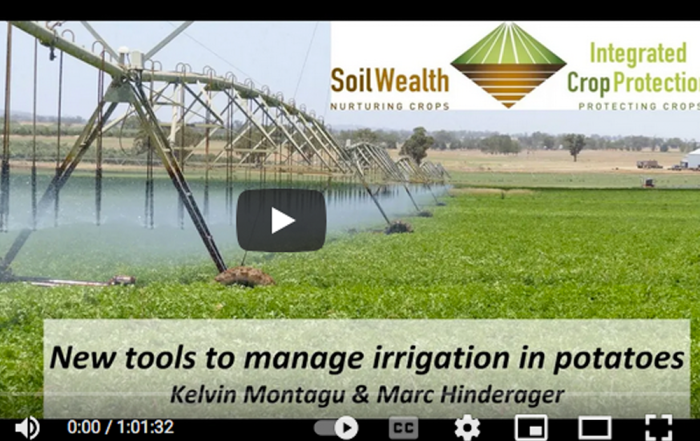
New tools to manage irrigation in potatoes
Practical use of IrriSAT satellite imaging, weather data, and soil moisture sensors. Irrigation decision making is one of the most significant factors affecting potato yield and quality. Join Dr. Kelvin Montagu and Marc...
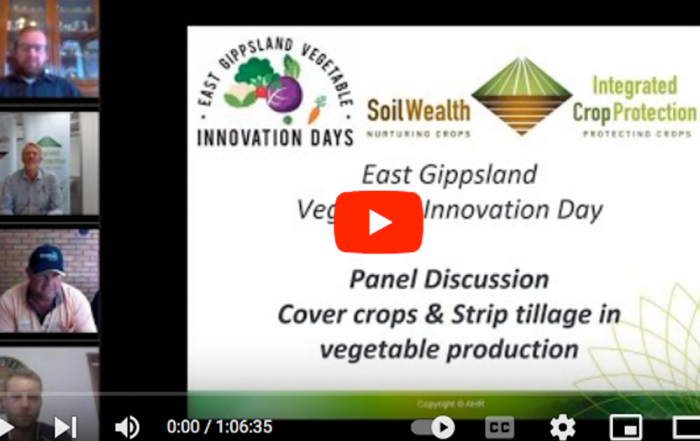
East Gippsland Vegetable Innovation Days – Cover crops and strip-tillage live webinar panel session
Presented by Dr Kelvin Montagu (Soil Wealth/ICP) Grower interviews with Michael Evans (Mulgowie Farms), Adam Schreurs (Schreurs & Sons), Jake Ryan (Three Ryans, WA) and Pete Shadbolt (Vic). Slug and snail management interviews...
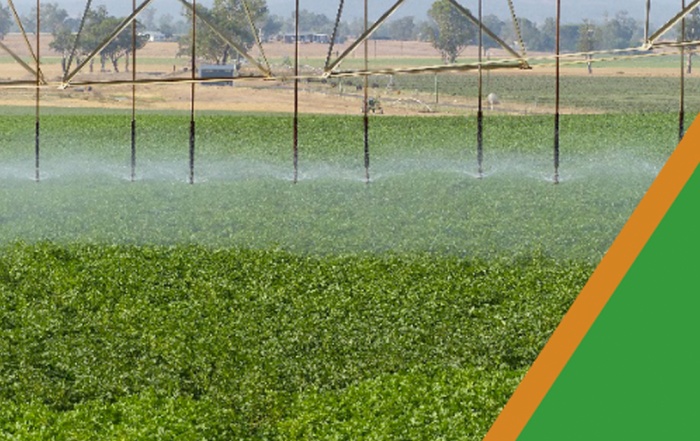
Irrigation monitoring in potatoes Part 1: Practical use of IrriSAT and soil moisture sensors
About the farm The 1,000 ha farm is located at Billimari near Cowra, NSW, on loam and sandy loam soils. It has been producing processing potatoes (var. Snowden) for the past nine years and...
Irrigation monitoring in potatoes Part 2: Practical use of satellite information
This case study looked at what extra information could be obtained from paddock satellite images used to monitor crop water use, and what value this can have for growers and advisers.The 1,000 ha farm...
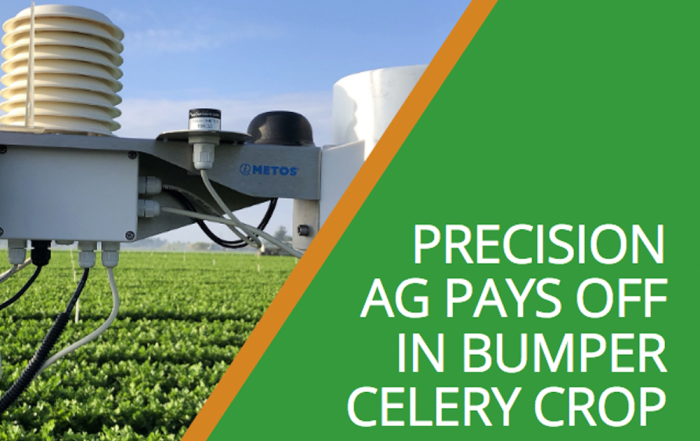
Precision ag pays off in bumper celery crop: Koo Wee Rup demonstration site case study
Over the past two years, Victorian vegetable growing operation Schreurs & Sons and the Soil Wealth ICP team have partnered to explore the application of precision agriculture in celery, leek and baby leaf production...
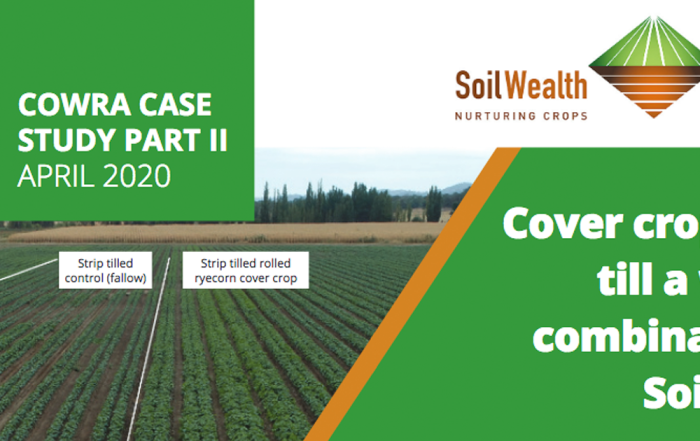
Cowra cover crop and strip-till a winning combination for soil health
Cover crops provide multiple benefits, including reduced soil crusting, increased infiltration rates, reduced compaction, weed suppression and nutrient cycling. Combining cover crops with strip-till is proving a winner for vegetable soils and crops. In...
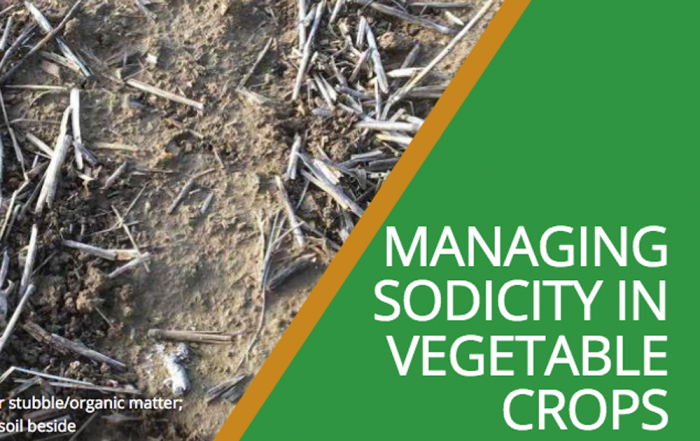
Managing sodicity in vegetable crops
Sodicity is different to salinity, but it can still have a negative impact on soil structure and crop growth. This fact sheet explains what sodicity is and how it differs to salinity; how to...
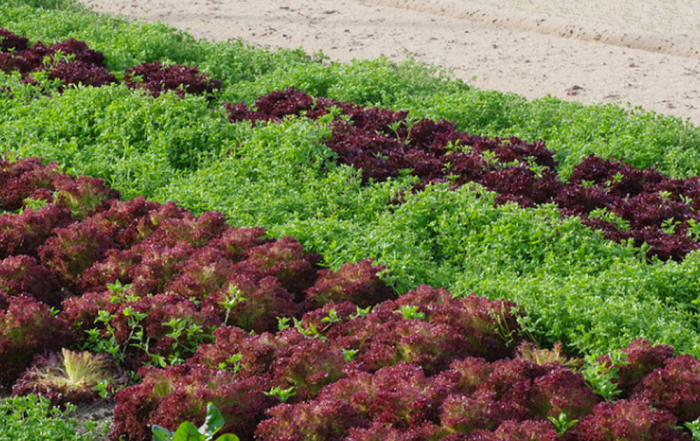
What do weeds cost Australian vegetable growers?
In 2019, the University of New England completed a case study assessment of the farm-level impacts of weeds in vegetable production, as part of Hort Innovation-funded project VG15070. This article summarises the key results...
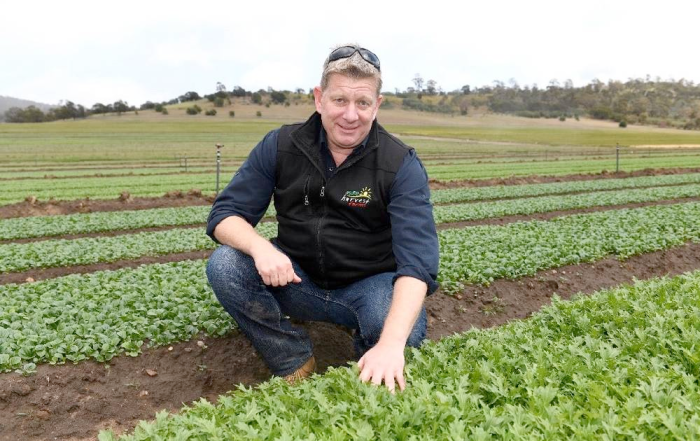
Article: Harvest Farms analyses irrigation
Tasmanian leafy salad growing operation Harvest Farms is taking part in a trial with SWAN systems, an irrigation and crop nutrition management software platform, to achieve greater efficiency across the farm's 85 irrigation zones....