The Soil Wealth ICP project develops informative and timely resources in a range of formats.
These resources target specific vegetable and melon issues and allow growers to apply knowledge to solve problems within their business.
Resources have been developed by the Soil Wealth ICP project team and a range of R&D service providers. We acknowledge the valuable work done by these teams in developing the resources and will share new information as they become available.
Use the search function below to filter resources by area, crop, topic or type.
You can also search across these options by adding multiple key words into the search box (e.g. NSW brassica cover crops).
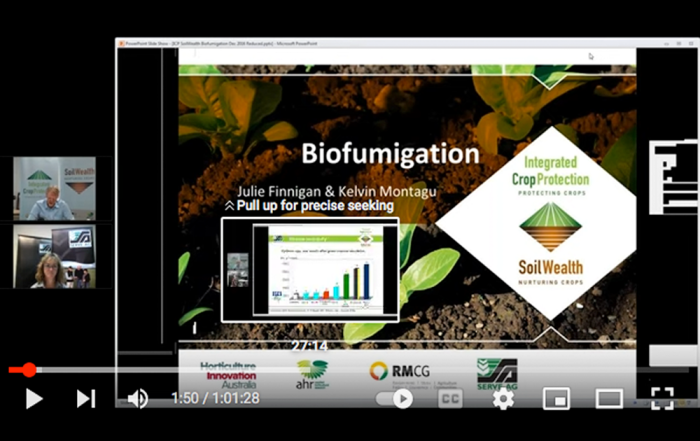
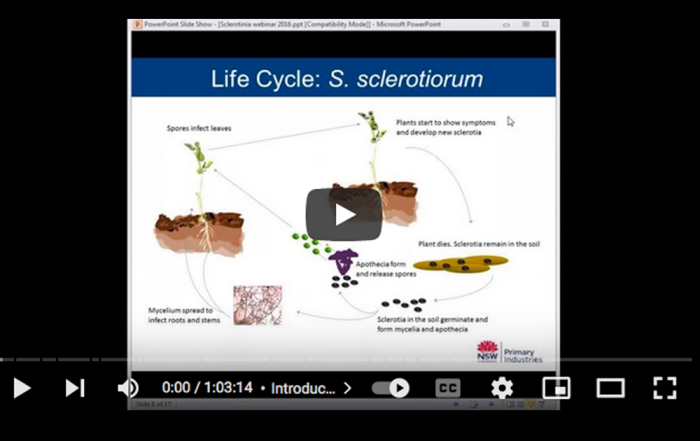
Biofumigation cover crops in vegetable production with Julie Finnigan
Presented by technical agronomist and biofumigation expert Julie Finnigan, Serve Ag, and Dr Kelvin Montagu, AHR, as part of the Soil Wealth and Integrated Crop Protection projects. This webinar covers: Benefits of biofumigation such as...
Anhydrous ammonia for vegetable crops: Could it be a viable proposition?
What is anhydrous ammonia? Anhydrous ammonia is the most concentrated form of nitrogen (N) fertiliser, containing 82% available N. Ammonia, which is normally a gas, can be converted into a liquid under high pressure,...
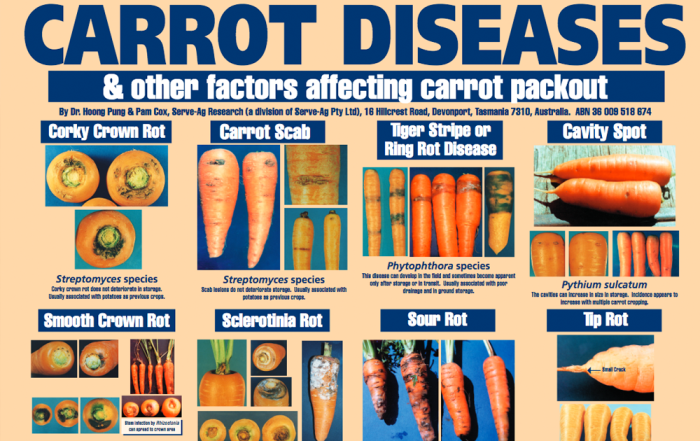
Carrot diseases and other factors affecting carrot packout
Read this great summary of carrot disorders to better understand what may be affecting your carrot packout. This includes corky brown rot, cavity spot, sclerotinia rot and violet root. This poster was prepared by...
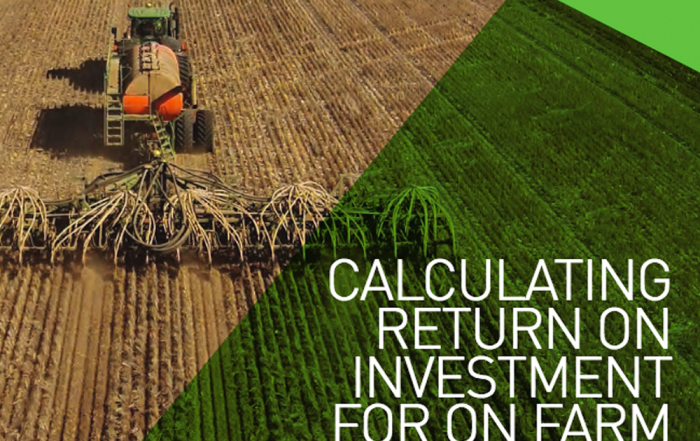
Calculating Return on Investment for on farm trials
An on farm trial tests the yield or economic effect of a management treatment on an agricultural system. This information can then form the basis for wider application of the treatment in other parts...
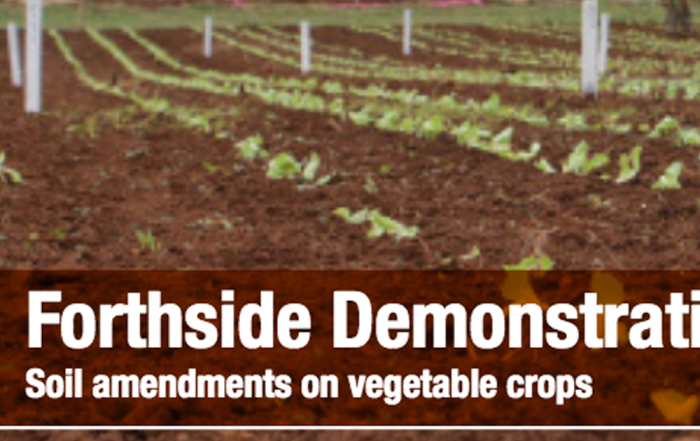
Forthside Demonstration Site: Soil amendments on vegetable crops
Over the past four years, the effect of pyrethrum marc on vegetable crops has been compared with biochar, oaten chaff and conventional fertilisers at a trial site in Tasmania. Pyrethrum marc can offer benefits...

Developing A Fertiliser Program For Vegetable Crops (webinar recording)
The webinar aimed to provide evidence based knowledge to make good decisions on site-specific nutrient management of vegetable crops using soil and plant testing and the 4R principles (right source, right rate, right time...
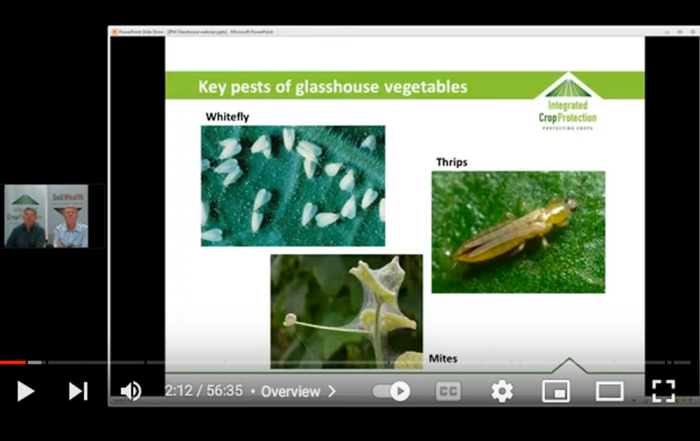
Managing insect pests in greenhouses with Andy Ryland
Having issues with controlling insect pests in protected cropping? Then watch this webinar recording with Integrated Pest Management expert, Andy Ryland. This webinar focussed on managing three key pests in glasshouses; whitefly, thrips and mites...
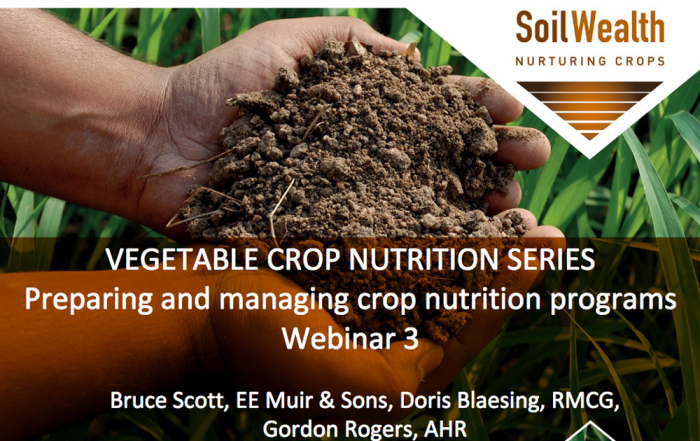
Developing a fertilizer program for vegetable crops with Bruce Scott & Doris Blaesing
This webinar series aims to provide evidence based knowledge to make good decisions on site-specific nutrient management of vegetable crops using soil and plant testing and the 4R principles (right source, right rate, right...
Rediscovering cover crops with Kelvin Montagu
The webinar covers: What is your objective for the cover crop What cover crop to use How to integrate cover crops into vegetable production In a follow-up webinar on the 1 December 2016, Julie Finnigan, technical Agronomist with...
Nitrous oxide emissions from vegetable soils: What’s all the fuss about?
Nitrogen is a key input into vegetable production. Applying high levels of nitrogen, either as fertiliser, compost or amendments is necessary to achieve high yields, but it can also result in nitrous oxide gas...
From Health to Wealth: Looking after soils for vegetable production
Soil health refers to the fitness of the soil to achieve its potential, within natural or managed limitations, and be productive under the intended land use. Healthy soils have physical, chemical and biological properties...
Managing pesticide resistance in vegetable crops with Dr Paul Horne
Pesticide resistance is an ongoing concern for the vegetable industry. If you missed this webinar on 20 October 2016, listen to the recording with expert practitioners Dr Paul Horne and Jessica Page from IPM...
Soil and plant health benefits from using compost: A long-term case study on Baldivis Farms
This case study provides a unique long-term grower perspective on using compost on a commercial vegetable farm. Have you ever wondered what the potential benefits to soil and plant health are from using compost?...
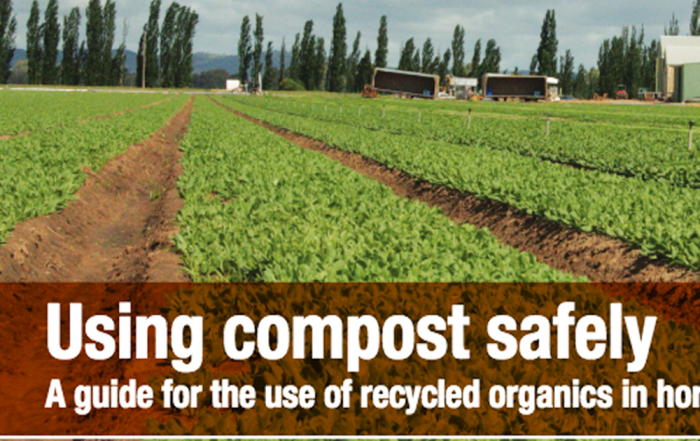
Using compost safely: A guide for the use of recycled organics in horticulture
Compost is a mixture of recycled organic materials that have been processed by natural organisms, breaking down the original materials into a usable form. Compost has many benefits for soil. It can feed plants,...
Safe compost for fruit and vegetables: A guide for the supply of recycled organics to fresh produce growers
Compost is a mixture of recycled organic materials that have been processed by natural organisms, breaking down the original materials into a usable form. Compost has many benefits for soil. It can feed plants,...
Variable Rate Technologies in Queensland vegetables
Crop sensing is allowing the adoption of variable rate management to address yield variability, improve management of inputs and maximise productivity. The Variable Rate Technologies in Queensland vegetables project undertaken by Queensland Department of...
Leaf and sap testing for managing vegetable crop nutrition with Bruce Scott, Doris Blaesing and Gordon Rogers
Fertilisers are an important but costly input in vegetable production. Gain a greater understanding of some of the simple tests you can do to better manage your inputs. View the leaf and sap...
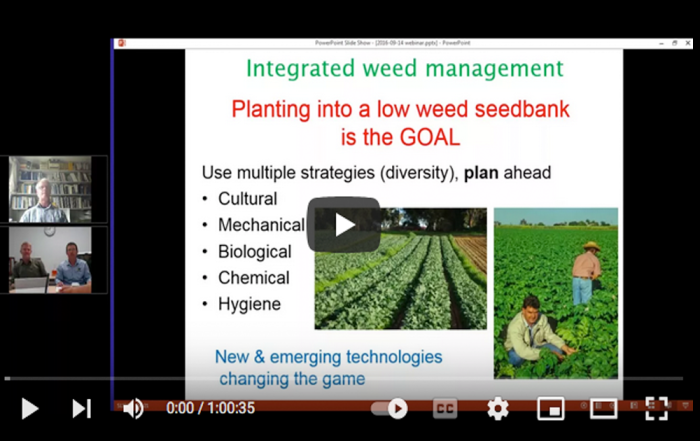
Integrated Weed Management for the Australian Vegetable Industry with Dr Paul Kristiansen, Dr Kelvin Montagu and Marc Hinderager
Presented jointly by leading weed researcher Dr Paul Kristiansen, University of New England, and expert weed practitioner Marc Hinderager from Applied Horticultural Research as part of the Integrated Crop Protection project. This project...
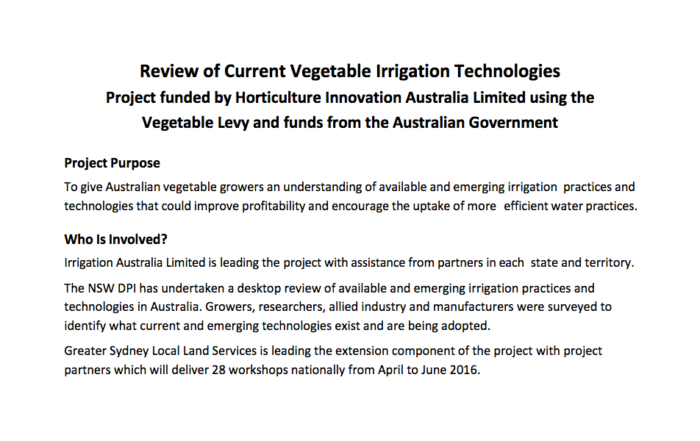
Review of Current Vegetable Irrigation Technologies
This summary provides Australian vegetable growers with an understanding of available and emerging irrigation practices and technologies that could improve profitability and encourage the uptake of more efficient water practices. Download PDF ...