The Soil Wealth ICP project develops informative and timely resources in a range of formats.
These resources target specific vegetable and melon issues and allow growers to apply knowledge to solve problems within their business.
Resources have been developed by the Soil Wealth ICP project team and a range of R&D service providers. We acknowledge the valuable work done by these teams in developing the resources and will share new information as they become available.
Use the search function below to filter resources by area, crop, topic or type.
You can also search across these options by adding multiple key words into the search box (e.g. NSW brassica cover crops).
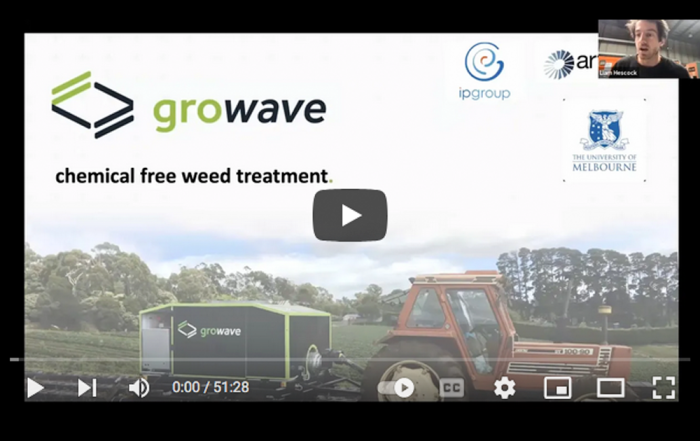
Virtual shed walk: microwave technology for control of weeds, diseases and pests
Liam Hescock and the team from Growave showcase the next-generation microwave technology and answer questions from the audience. Grower Ed Fagan discusses his experience and expectations, Marc Hinderager (AHR) facilitates and participates in...
Field and landscape management for beneficial arthropods
Have you heard about native vegetation insectaries? Want to attract more beneficial insects to your crops to better manage pests? On-farm insectaries are areas of flowering plants that attract and maintain beneficial insect...
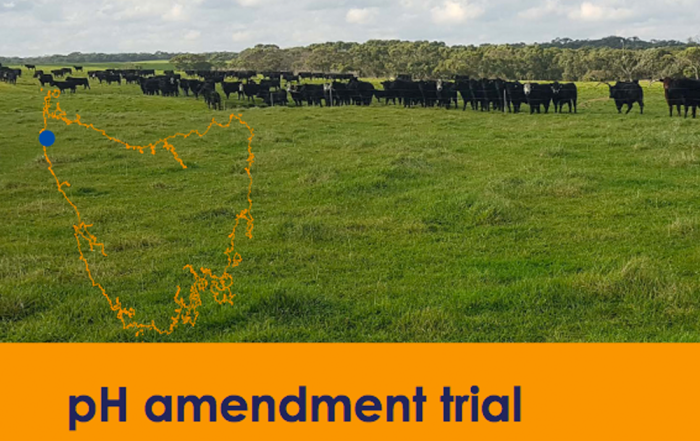
pH amendment trial – Tasmania
Soil pH has a profound effect on nutrient availability to plants and microorganisms, and thus soil and plant health. This fact sheet shares the results of a field trial in north-west Tasmania using several...
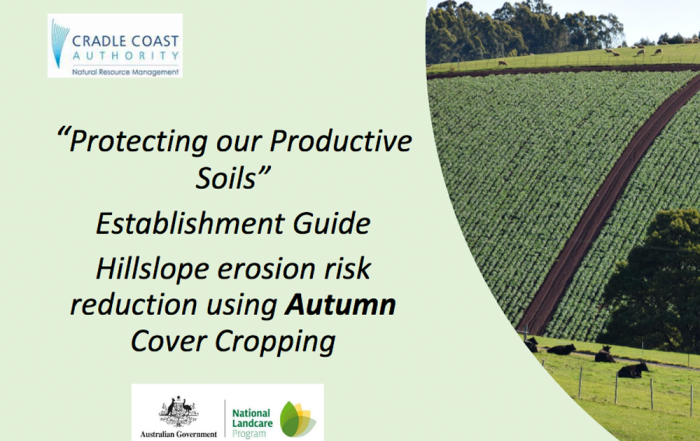
Protecting our productive soils: establishment guide
The Cradle Coast Authority Natural Resource Management discussed hillslope erosion risk reduction using autumn cover cropping at an industry forum in Tasmania in August 2021. This presentation highlights the key considerations for growers. Download...
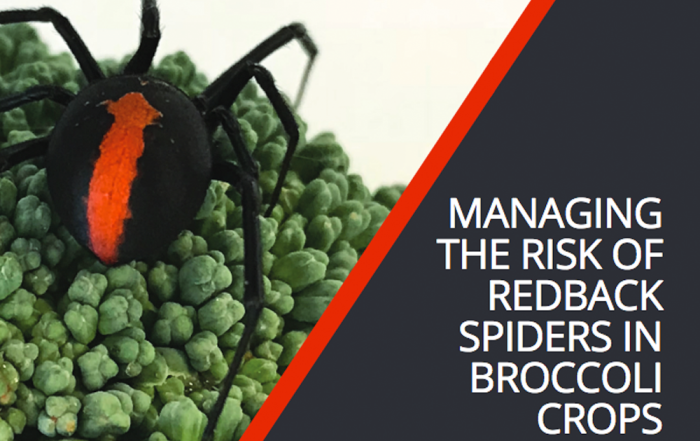
At the cutting edge: Advancements in integrated crop protection for profitable vegetable production
Overview Integrated crop protection (ICP) takes a holistic approach to plant health. It builds on the principles of integrated pest management (IPM) combined with site-specific soil, nutrition and irrigation managment, and decsion making...

Potato R&D Forum 2021 Day 2 Recording: Soil health and disease management
Catch up on Day 2 of the Australian Potato R&D Forum 2021, which focused on soil health and disease management. Speakers and topics included: Promoting soil health: How can cover crops and soil...
Potato R&D Forum 2021 Day 1 Recording: Pest management
Catch up on Day 1 of the Australian Potato R&D Forum 2021, which focused on pest management. Speakers and topics included: Season update from the regions: What have been the key pest and...
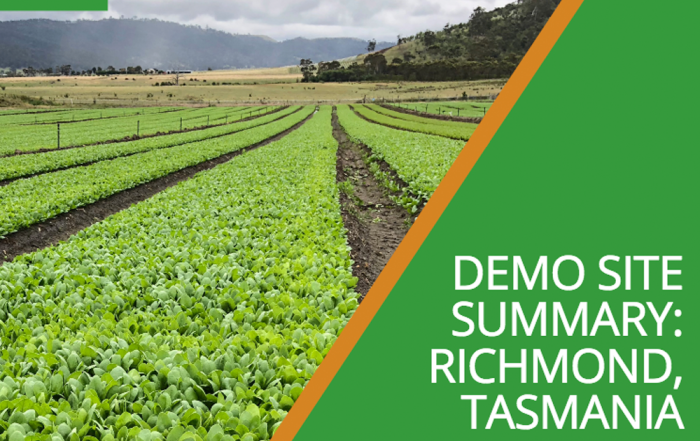
Demonstration site trial full report: Richmond, Tasmania
From 2018-2021, a demonstration site trial at Harvest Farms in Richmond, Tasmania explored the impact of organic soil amendments on baby leaf crop quality and yield. Potential benefits were observed from the compost in...
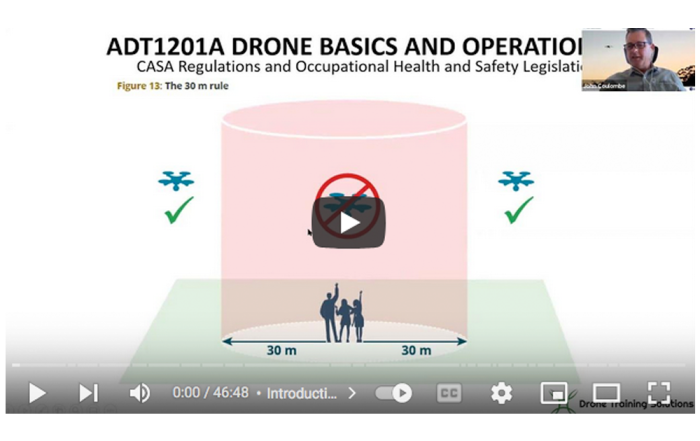
Using drones to generate farm insights – Drone basics and operations including weed mapping
Watch this recorded webinar to learn all you need to know about the legal requirements for drone operators and how drones can help you manage daily challenges including weed control, presented by John...
Demonstration site update: Richmond, Tasmania
The Richmond demonstration site in southern Tasmania is located in the Coal Valley and hosted by Harvest Farms. In 2018, a farm demonstration trial was established to examine the costs and benefits of quality...
Innovations from John Deere at Hort Connections 2021
The Soil Wealth ICP team including Pieter Van Nieuwenhuyse, Kelvin Montagu, Doris Blaesing and Gordon Rogers visited Hort Connections 2021 in Brisbane. The team enjoyed meeting delegates face to face at the Soil...
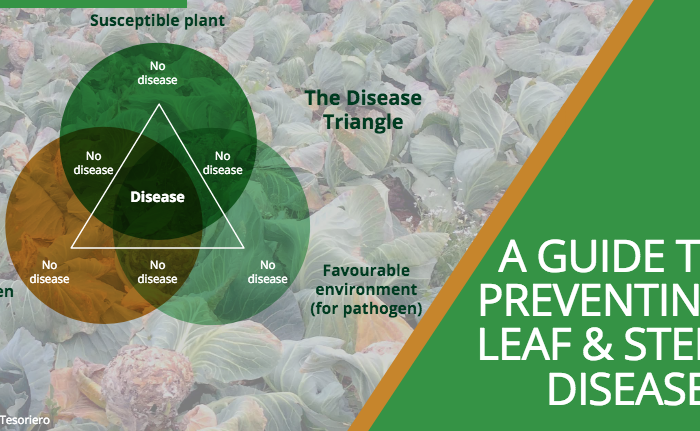
A guide to preventing leaf and stem diseases
Plant diseases are caused by living organisms feeding on plants and damaging them in the process. Most can spread from sick to healthy plants by a variety of means. Knowing optimum conditions for infection and...
Innovations from Growave at Hort Connections 2021
The Soil Wealth ICP team including Pieter Van Nieuwenhuyse, Kelvin Montagu, Doris Blaesing and Gordon Rogers visited Hort Connections 2021 in Brisbane. The team enjoyed meeting delegates face to face at the Soil...
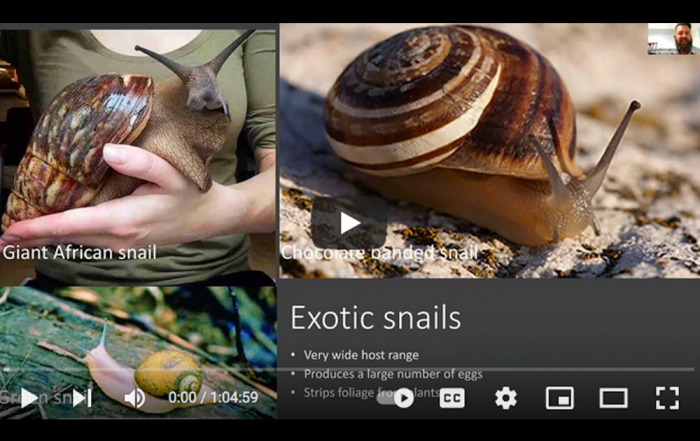
Be prepared – emerging pest threats for onion producers
AUSVEG Biosecurity Coordinator Callum Fletcher shares important information on pest threats affecting onion producers in Australia as part of the Hort Innovation Onion Communications Project.
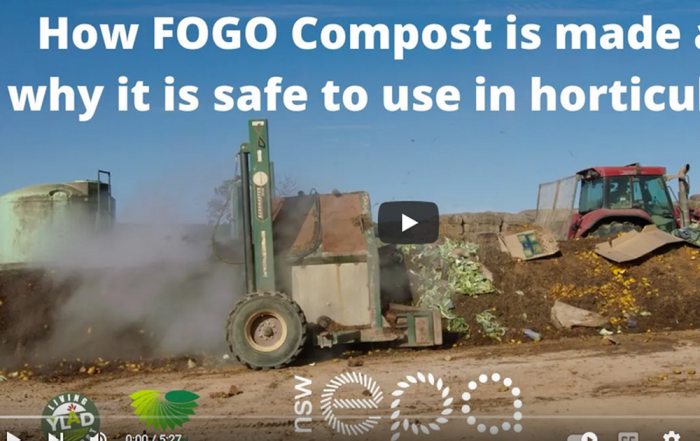
How FOGO Compost is made and why it is safe to use in horticulture
YLAD Living Soils from Young in NSW is an example of a commercial composter reusing expired food organics and organic material diverted from landfill. The food waste is sourced from fresh produce retailer Harris...
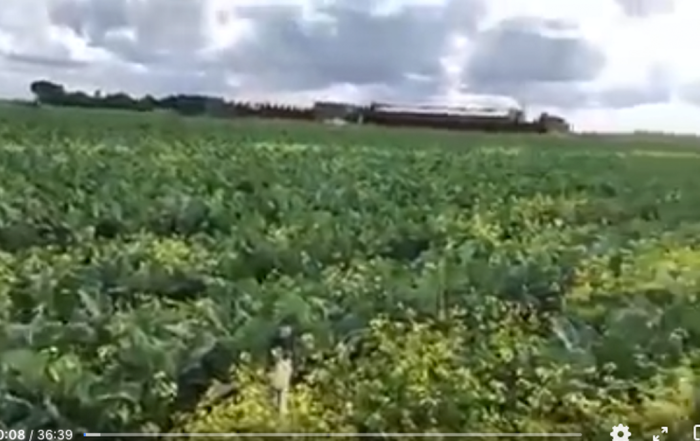
Managing saline-sodic soils virtual farm walk: Werribee South VIC demonstration site
Missed our virtual farm walk via Facebook Live in May 2021? Not to worry, you can catch up on the latest updates from our Werribee South VIC demonstration site here. Fresh Select and the Soil...
Precision ag in celery and leeks virtual farm walk: Koo Wee Rup VIC demonstration site
Missed our virtual farm walk via Facebook Live in April 2021? Not to worry, you can catch up on the latest updates from our Koo Wee Rup VIC demonstration site here. Join Adam Schreurs (host...
Boosting mycorrhizal fungi in vegetable crops
The vegetable industry has a growing interest in soil health and beneficial soil microbes, including mycorrhizal fungi. While there is a need for practices that help to boost the beneficial fungi in Australian vegetable...
Cover crops for weed control and single-use plastic elimination
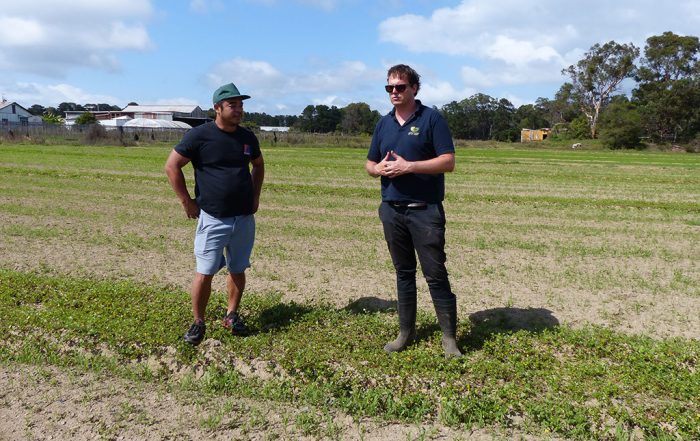
Grower Kim Ngov has sown another cover crop trial on his intense vegetable farm near the southwest outskirts of Sydney (Wedderburn NSW). This time Kim is focused on using cover crops to build soil...
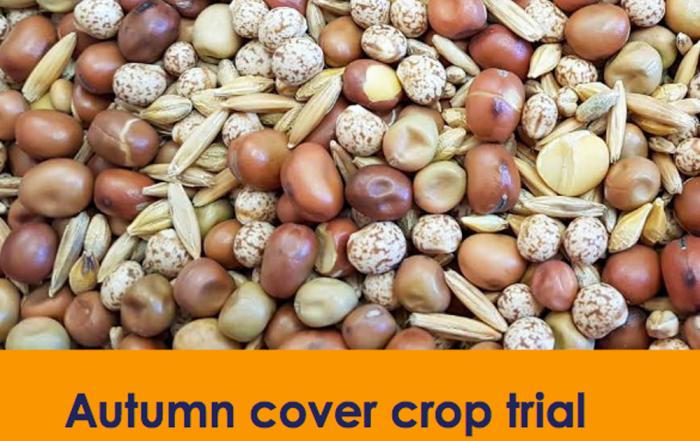
Autumn cover crop trial – Tasmania
The potential for cover crops to provide protection from erosion is multifaceted. Above ground they reduce raindrop impact (and this increases with increasing plant height). Below ground the roots bind the soil, reducing the...