Calcium Cyanamide Fertiliser; Use in vegetables
Calcium Cyanamide Fertiliser, also known as nitrolime, has been used in Germany as a slow release nitrogen and calcium ...

Calcium Cyanamide Fertiliser, also known as nitrolime, has been used in Germany as a slow release nitrogen and calcium ...
Will a potential change to soil management increase profit? How do we assess whether a change we’ve already made was ...
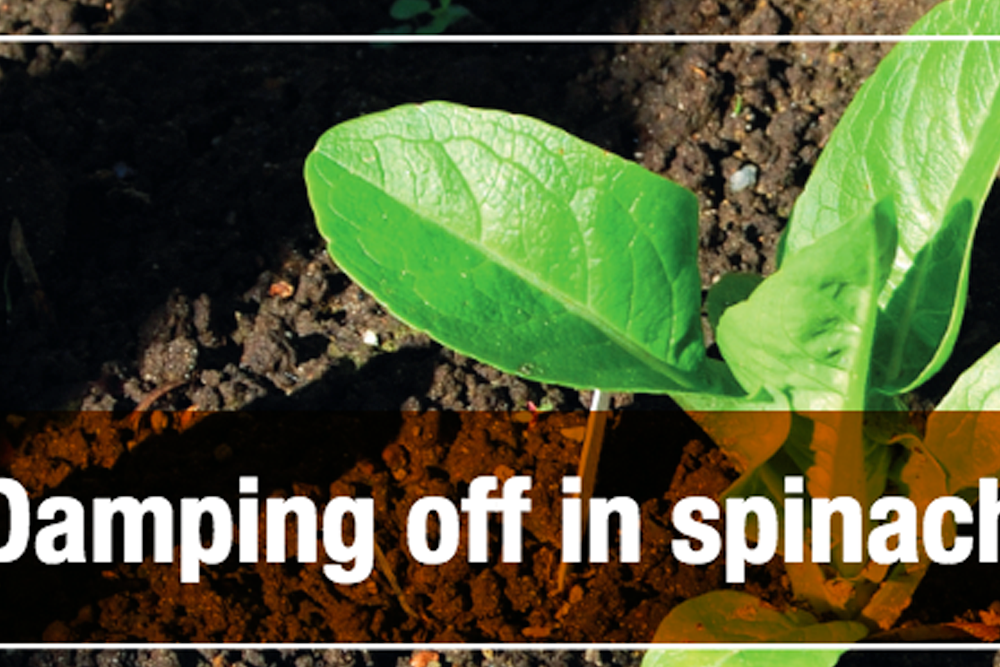
Issues with damping off in spinach? This useful fact sheet provides an overview of the symptoms and conditions that ...
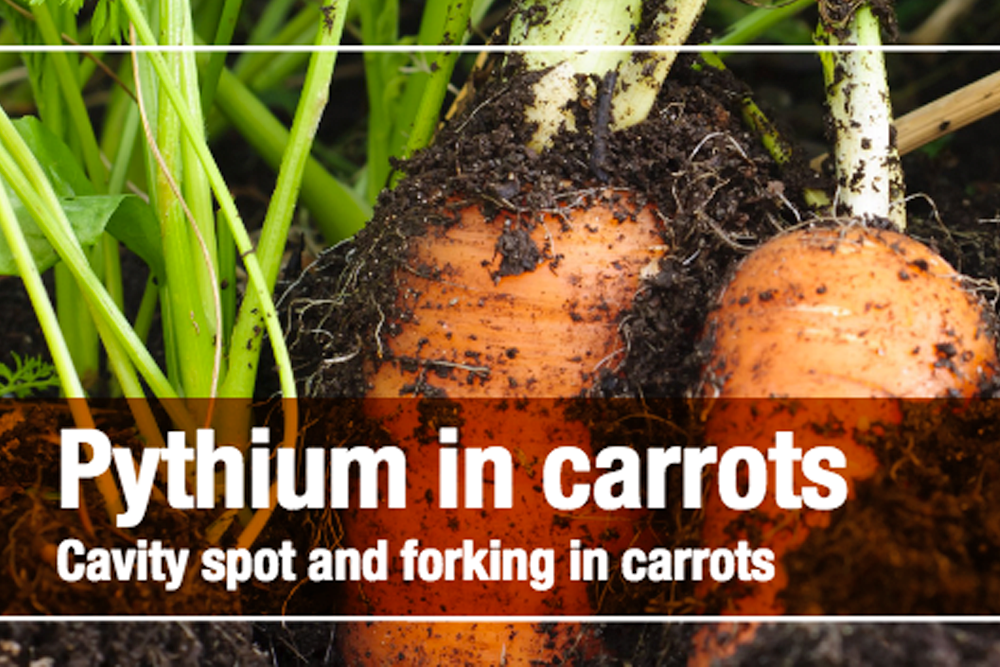
Two Pythium species are mostly responsible for forking and cavity spot of carrots in Australia. In most cases, P. ...
Cover crops are great tools for soil management. Their benefits can include improving soil structure and health, reducing erosion and weeds, ...
What is anhydrous ammonia? Anhydrous ammonia is the most concentrated form of nitrogen (N) fertiliser, containing 82% available N. ...
Over the past four years, the effect of pyrethrum marc on vegetable crops has been compared with biochar, oaten ...
Adjuvants are additives that enhance or modify the action of a chemical. They are commonly classified into broad categories ...
Nitrogen is a key input into vegetable production. Applying high levels of nitrogen, either as fertiliser, compost or amendments ...
Soil health refers to the fitness of the soil to achieve its potential, within natural or managed limitations, and ...
Compost is a mixture of recycled organic materials that have been processed by natural organisms, breaking down the original ...
Compost is a mixture of recycled organic materials that have been processed by natural organisms, breaking down the original ...