The Soil Wealth ICP project develops informative and timely resources in a range of formats.
These resources target specific vegetable and melon issues and allow growers to apply knowledge to solve problems within their business.
Resources have been developed by the Soil Wealth ICP project team and a range of R&D service providers. We acknowledge the valuable work done by these teams in developing the resources and will share new information as they become available.
Use the search function below to filter resources by area, crop, topic or type.
You can also search across these options by adding multiple key words into the search box (e.g. NSW brassica cover crops).
Inter-row ryegrass cover crop – a winner in snow pea production
Grower Kim Ngov had a weed problem at his Sydney basin farm. Even though he grows his snow pea crops using plastic mulch, he has had to use herbicide to control weeds in the...
Uniformity of nutrient availability continues to improve in 2020
Now in the third year of trials, the benefit of variable rate lime and fertiliser application is starting to pay big dividends at our Koo Wee Rup demonstration site in Victoria. The team...
TIA Honours students share key project findings
The 2020 class of Agriculture Science Honours students at the Tasmanian Institute of Agriculture recently presented the findings from their final projects, many of which were relevant to growers in the vegetable industry....
What you need to know about soil microbiology
Soil health is closely linked to soil microbiology. This fact sheet outlines information on a broad group of soil microbes including fungi, bacteria and pseudomonas, and explains how different levels, numbers and ratios of...
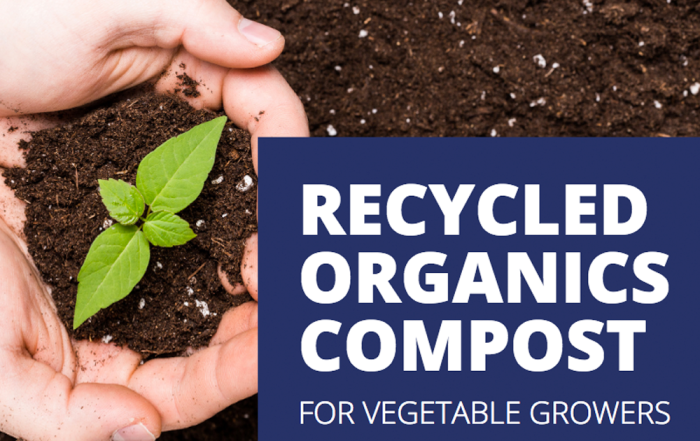
Recycled organics compost for vegetable growers
Recycled organics are compostable organic materials, including garden organics, food waste, residual wood and timber. Recycled organics compost is derived from shredding and stockpiling these green wastes for up to six months before being...
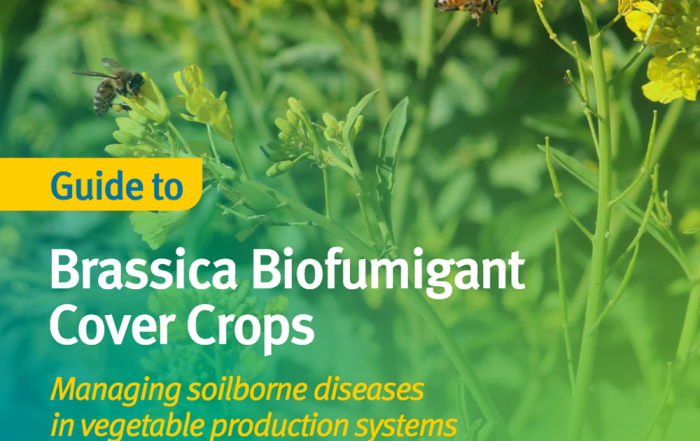
Guide to Brassica Biofumigant Cover Crops: Managing soilborne diseases in vegetable production systems
Cover crops, also referred to as green manure crops, are crops planted as a break between commercial crops. They are grown and incorporated back into the soil rather than for products that are removed...
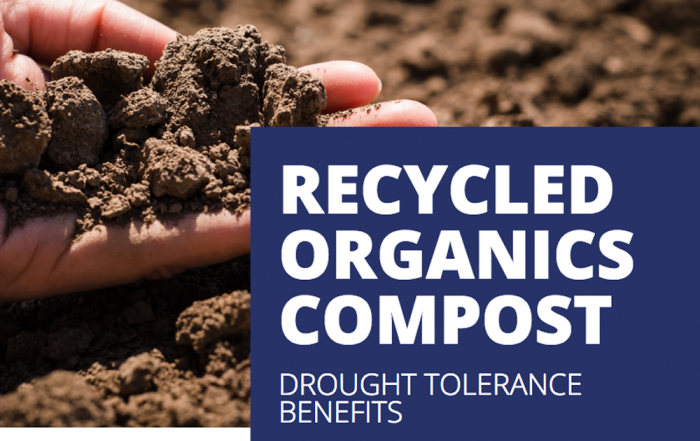
Recycled organics compost – drought tolerance benefits
Compost made from recycled organics is an effective, long-term soil conditioner against drought. Recycled organics will improve the water use efficiency of a farm by capturing more water and holding it for longer. Over...
Recycled organics compost – economics
Recycled organics are compostable organic materials, including garden organics, food waste, residual wood and timber. Compost made from recycled organics is derived from shredding and stockpiling these green materials for up to six months...
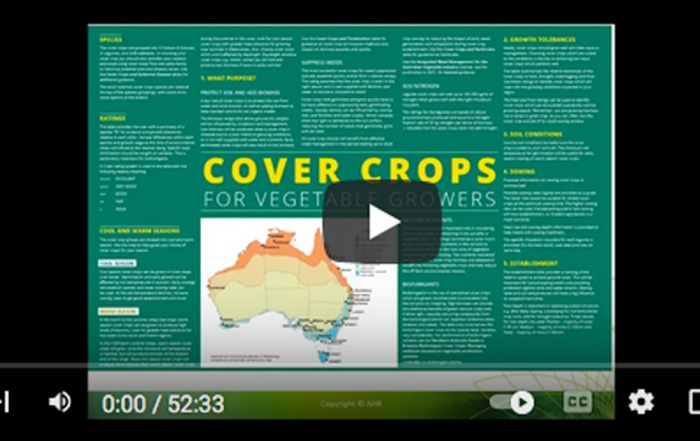
Cover crops and strip tillage in organic production – Koo Wee Rup Grower Group
Koo Wee Rup Grower Group - Cover crops and strip tillage in organic production with Dr Kelvin Montagu (27 October 2020)
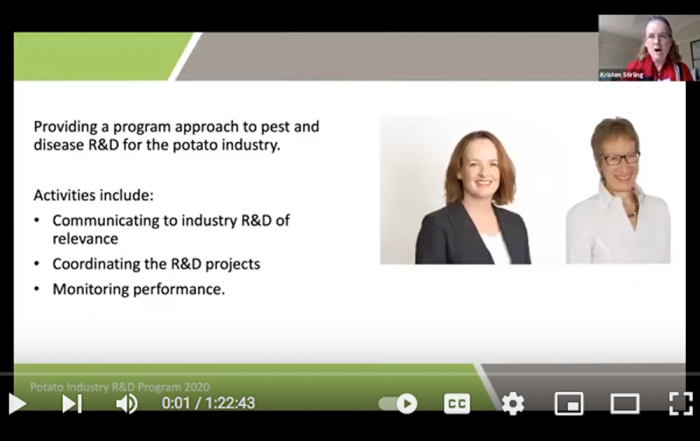
Biological products and new phosphorus fertiliser technology for potato productivity
The Potato Pest and Disease R&D Coordination project and the Soil Wealth and ICP project, together with McCain and Nutrien, delivered an informative session on biologial R&D resoures, products and testing options for...
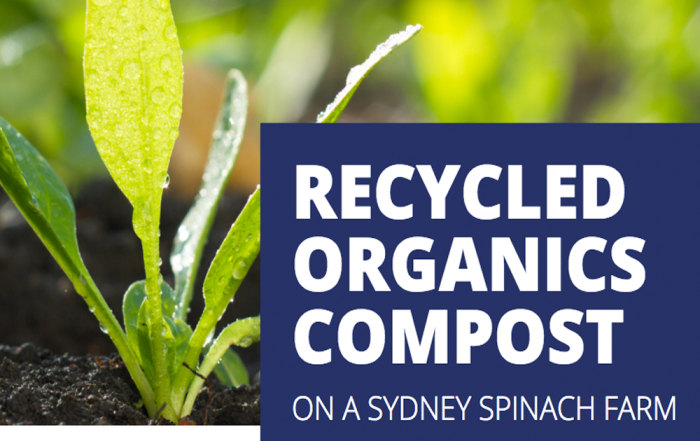
Recycled organics compost – on a Sydney spinach farm
The incorporation of compost into the Portellis’ cropping schedule yielded a significant improvement in crop performance. Compost applied at 5 tonnes per ha increased silverbeet growth from an average 27g (dry weight) per plant...
Benefits of a cover crop + strip till combination
The Three Ryans’ growers were impressed with the substantial time and cost savings of the strip till method, combined with observable improvements in soil health. The cover crop + strip till combination makes...
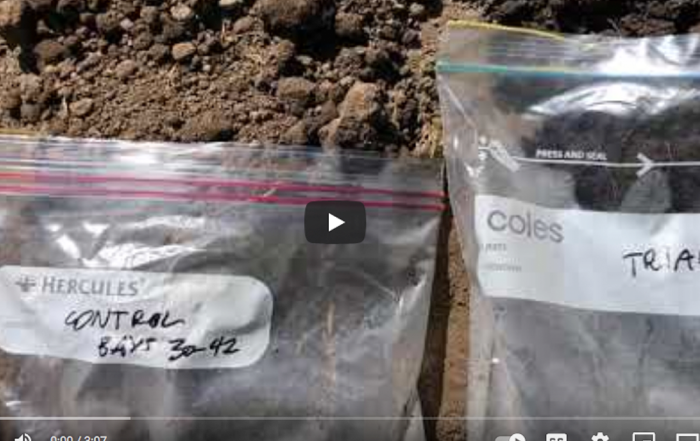
Soil health a big winner from precision ag trial
There have been noticeable benefits to soil structure from the precision ag trial focusing on variable rate nutrition over the past 2.5 years at our Koo Wee Rup demo site in Victoria. This...
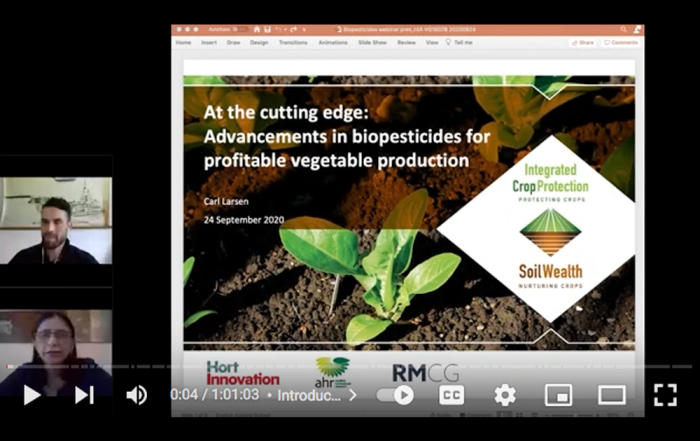
At the cutting edge: Advancements in biopesticides for profitable vegetable production
Biopesticides are a diverse group of pest control products based on naturally occurring biochemicals, minerals and microbes. They generally have very low toxicity to humans and are sustainable with minimal environmental impacts. Many...
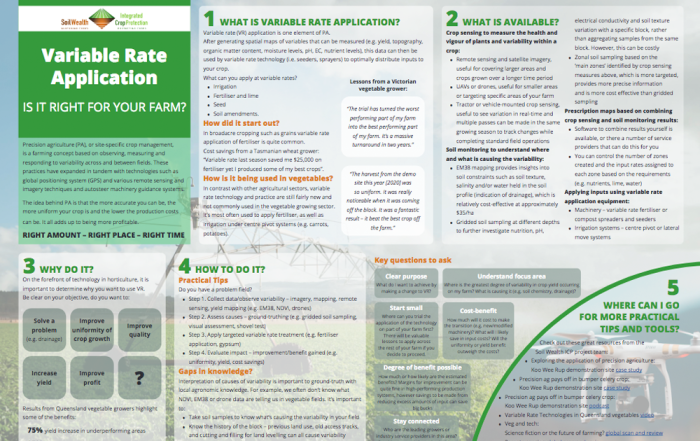
Variable rate application: Is it right for your farm?
Precision agriculture (PA), or site-specific crop management, is a farming concept based on observing, measuring and responding to variability across and between fields. These practices have expanded in tandem with technologies such as global...
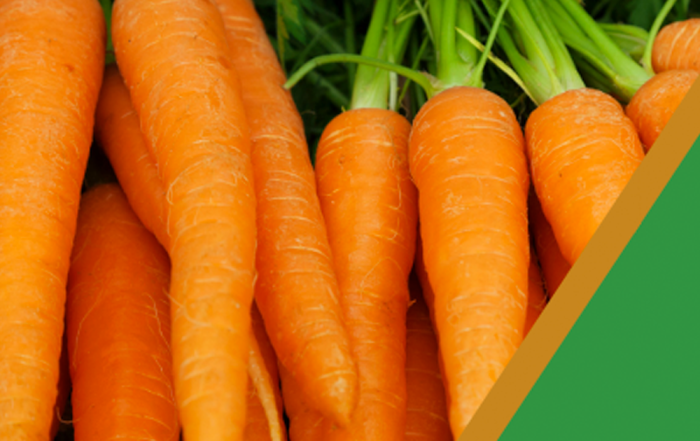
Effect of a coal-based soil amendment on carrots grown in sandy soil
This case study reflects the results of a large-scale, soil amendment demonstration trial conducted by Center West Export in the Gingin area, about 150 km north of Perth, Western Australia. The trial was conducted...
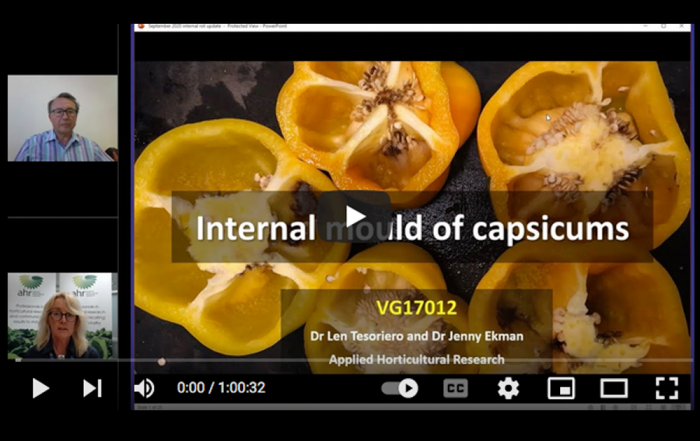
Internal rot of capsicum
Project VG17012 is focused on identifying the organism(s) that cause internal rot. Management techniques will be developed to prevent infection as well as minimise the risk of sending unacceptable fruit to market. In...

How To Manage Sclerotinia In Vegetable Crops With Dr Len Tesoriero (webinar recording)
Soil Wealth and Integrated Crop Protection · How To Manage Sclerotinia In Vegetable Crops With Dr Len Tesoriero (webinar)
Winter cover cropping for weed management
In 2018 and 2019, the University of New England worked with Ivankovich Farms in Myalup and David Grays Aglink in Perth, Western Australia, on a two-season trial to explore the effects of different...
Integrated Weed Management case study: The Loose Leaf Lettuce Company
The Loose Leaf Lettuce Company in Gingin, Western Australia, has been successful in reducing their weed burden to a minimal level after several years of diligently using a simple but very effective integrated...