
The Soil Wealth ICP project develops informative and timely resources in a range of formats.
These resources target specific vegetable and melon issues and allow growers to apply knowledge to solve problems within their business.
Resources have been developed by the Soil Wealth ICP project team and a range of R&D service providers. We acknowledge the valuable work done by these teams in developing the resources and will share new information as they become available.
Use the search function below to filter resources by area, crop, topic or type.
You can also search across these options by adding multiple key words into the search box (e.g. NSW brassica cover crops).
Can calcium cyanamide (Ca(CN)2) fertiliser affect Pythium spp. and other soilborne diseases in carrots – findings of an on-farm demonstration
Calcium cyanamide (Ca(CN)2) fertiliser was tested for efficacy against Pythium sulcatum and P. violae in a grower led demonstration trial in a commercial carrot crop in Western Australia. The wax coated fertiliser was applied...
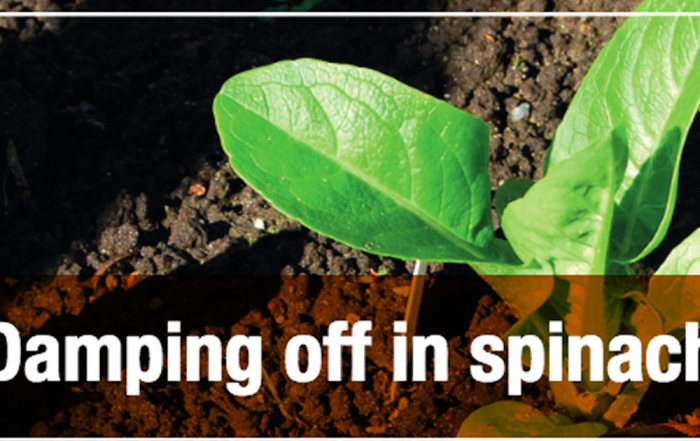
Damping off in spinach: Best bet fungicide and biologicals Trial 2016/2017
A preliminary field trial was conducted to evaluate the efficacy of chemical and biological control treatments for damping off pathogens in spinach. We demonstrated that three fungicide treatments significantly reduced the area of diseased...

Growing Matters – #1 Basics of cover cropping with Dr Kelvin Montagu (9 min listen)
Get inspired by this podcast with Dr Kelvin Montagu who gives a good overview on cover cropping, the key benefits for using it on your farm – for your wallet and for your soil...
Growing Matters – #2 Link between soil wealth and cover cropping with Dr Kelvin Montagu (12 min listen)
Link between soil wealth and cover cropping with Dr Kelvin Montagu (12min listen) Continue learning about the benefits of cover cropping with Dr Kelvin Montagu. In this podcast Kelvin explains how cover crops integrate...
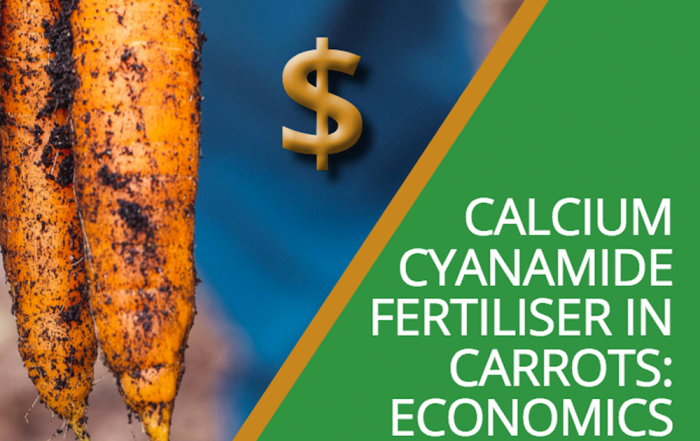
Calcium cyanamide fertiliser in carrots: Economics
Calcium cyanamide Fertiliser, also known as nitrolime, has been used in Germany as a slow release nitrogen and calcium fertiliser with liming effect for over 100 years. This fact sheet documents the findings from...
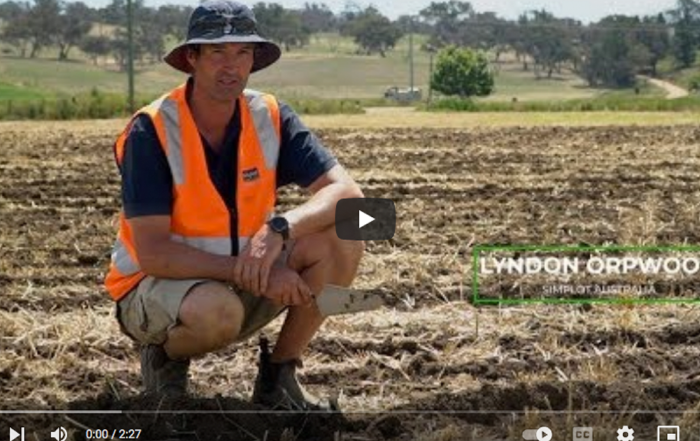
Lyndon Orpwood discusses the benefits of strip-tillage to Simplot Australia
Lyndon Orpwood from Simplot Australia (Bathurst, NSW) explains how strip-tillage has improved moisture retention and field productivity. The benefits include stubble retention, greater efficiency and reduced diesel usage.
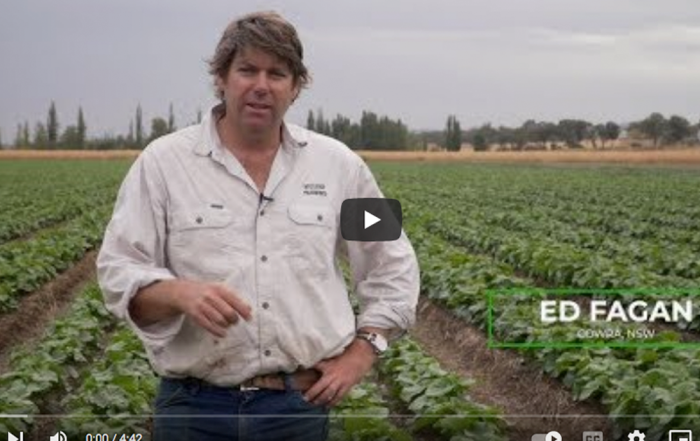
Ed Fagan explains why his initial reservations about strip-till and cover crops were dispelled
Ed Fagan (Cowra, NSW) explains how strip-tillage and cover cropping compliment each other for a successful cucumber crop.
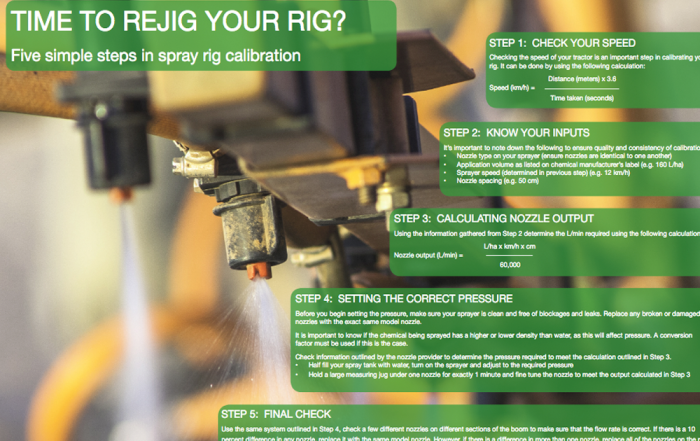
Time to rejig your rig? Five simple steps in spray rig calibration
When was the last time you checked your spray rig? Correct calibration can save you time, money and increase the effective application of chemicals and reduce risk to the environment and your staff. This...
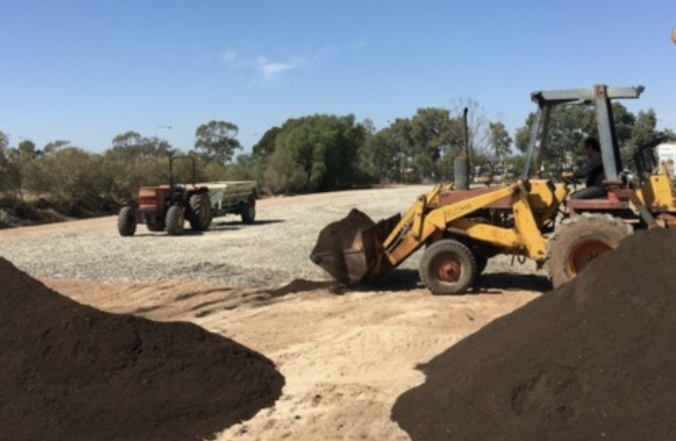
Compost Trial Virginia, SA
Soil Wealth and ICP follows the implementation of a compost trial for vegetable growers in Virginia SA. We speak to the growers, the compost supplier and Dr Doris Blaesing. Soil Wealth and Integrated...
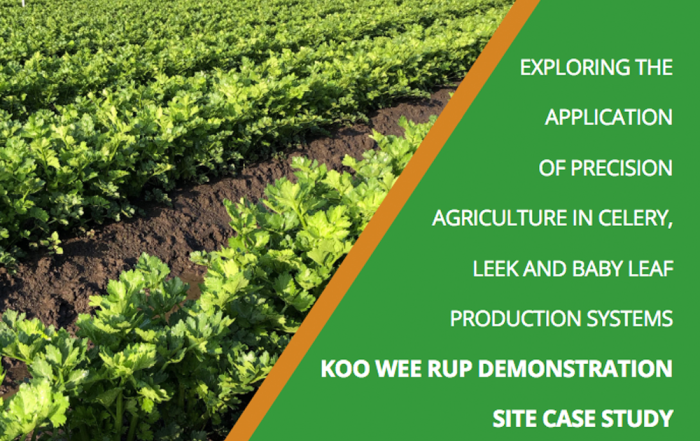
Exploring the application of precision agriculture: Koo Wee Rup demonstration site case study
Schreurs & Sons and the Soil Wealth ICP team have partnered to explore the application of precision agriculture in celery, leek and baby leaf production systems. The demonstration site is located at Adam’s Cora...
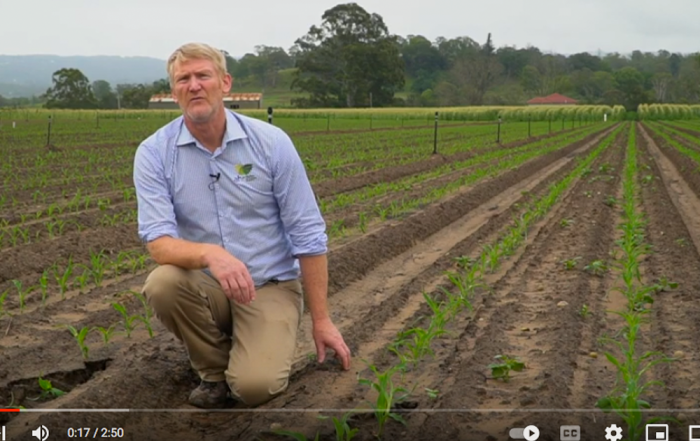
Strip-till for corn production – Reducing erosion, building robust soils
Strip-till is a system of cultivation that works strips of soil where the crop will be planted or sown and leaves most of the soil covered and undisturbed. It has the potential to...
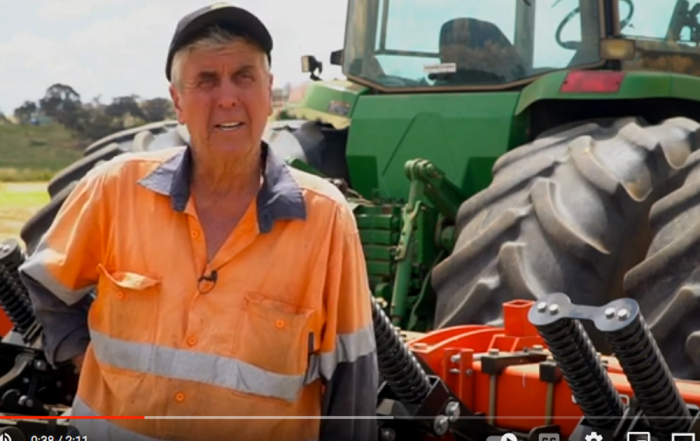
Strip-tillage in the field – Jeff McSpedden, NSW case study
Strip-till is a system of cultivation that works strips of soil where the crop will be planted or sown and leaves most of the soil covered and undisturbed. The benefits of strip-till identified...
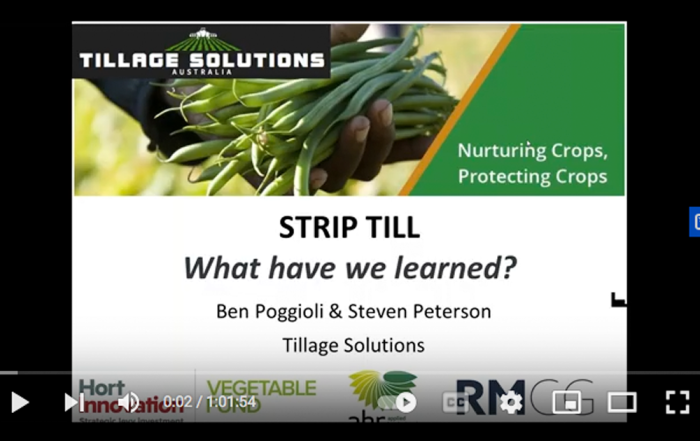
Strip-tillage for vegetables and potatoes with Steve Peterson (USA) and Ben Poggioli
Strip-tillage combines the best of no-till and conventional tillage in the one operation. Steve Peterson is a 4th generation farmer and manufacturer of innovative strip-till equipment in Illinois, USA. One of Steve’s fundamental...
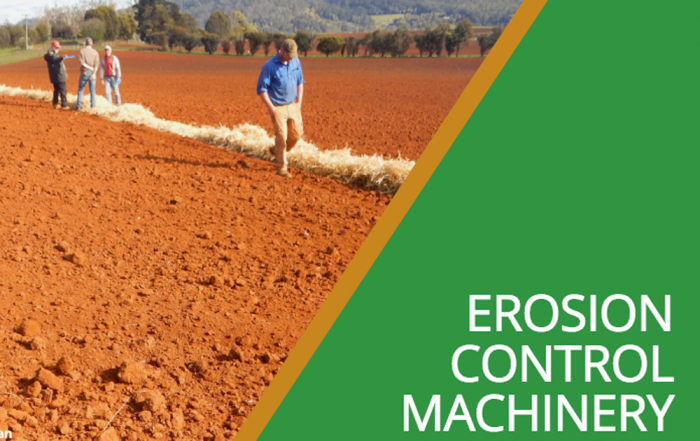
Erosion control machinery – Harvest Moon, TAS case study demonstration site
The Soil Wealth and Integrated Crop Protection case study demo site in north west Tasmania is Harvest Moon. This fact sheet showcases one of the practices employed at Harvest Moon, the ripper mulcher, which...
Controlled Traffic Farming with Harvest Moon
Soil Wealth and ICP present this podcast about controlled traffic farming, featuring the best practice agriculture of Harvest Moon, with Agriculture Director Mark Kable, John McPhee, a CTF researcher from the Tasmanian Institute of...
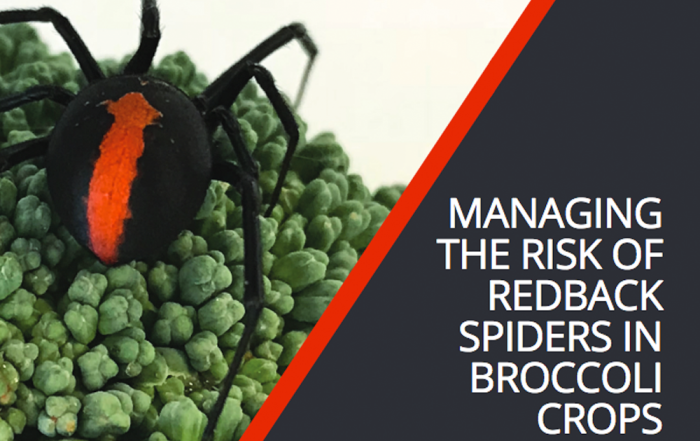
Managing Redback Spiders In Broccoli
From April to June is ‘redback season”, where consumer complaints about redback spiders in broccoli are most likely to surface on social media near you. Where do they come from? Why are they...
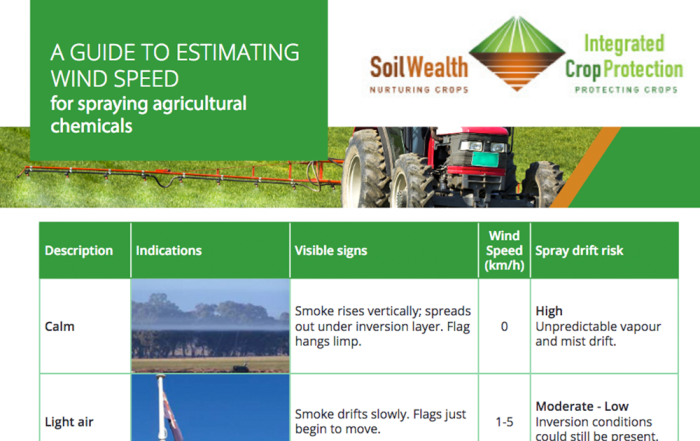
A guide to estimating wind speed for spraying agricultural chemicals
Choosing when to spray based on the prevailing wind speed is important for effectively applying chemicals and managing risk. This practical and useful poster can be displayed in the chemical storage area and spray...

The Ripper Mulcher In Tasmania
Soil Wealth and Integrated Crop Protection, a Hort Innovation project, presents an exploration of a unique machine, the ripper mulcher. Invented and built in Tasmania by Bill Cotching to control erosion on sloping ground...

Technology for controlling weeds
The Soil Wealth and ICP project is scanning global technologies to bring you some of the most interesting and practical advances in weed management. Most new technology for controlling weeds will be a positive step...