The Soil Wealth ICP project develops informative and timely resources in a range of formats.
These resources target specific vegetable and melon issues and allow growers to apply knowledge to solve problems within their business.
Resources have been developed by the Soil Wealth ICP project team and a range of R&D service providers. We acknowledge the valuable work done by these teams in developing the resources and will share new information as they become available.
Use the search function below to filter resources by area, crop, topic or type.
You can also search across these options by adding multiple key words into the search box (e.g. NSW brassica cover crops).
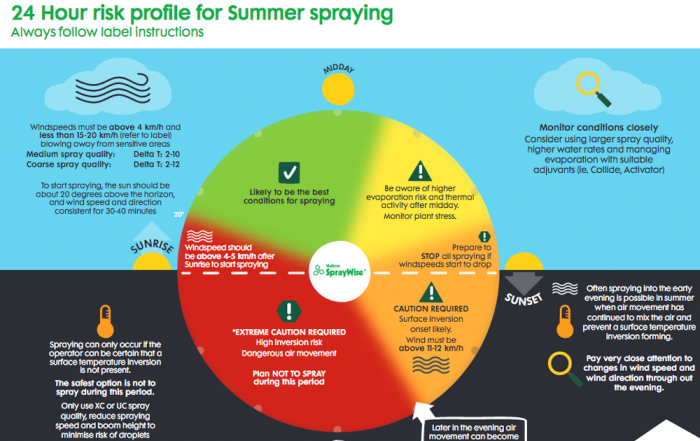
24 Hour risk profile for Summer spraying
When is the best time to spray during summer? What will maximise the effectiveness of the chemical and reduce off-target risk? Nufarm have developed this easy to follow poster to guide when to spray...
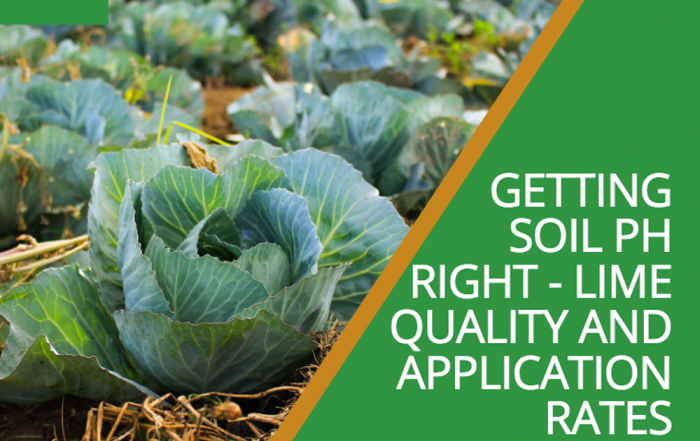
Getting soil pH right – Lime quality and application rates
Soil acidification, the drop in soil pH, is due to several factors including leaching of nitrate nitrogen, nutrient uptake by crops and root exudates, build-up of soil organic matter and use of nitrogenous fertilisers...
Roller crimper designs for cover crop management
New roller/crimper designs effectively terminate dense and tall cover crops without vibrations. Applicable for different tractor sizes/farm scales. Roller for elevated beds can effectively terminate cover crops grown on elevated bed culture. Compared to roller alone, termination...
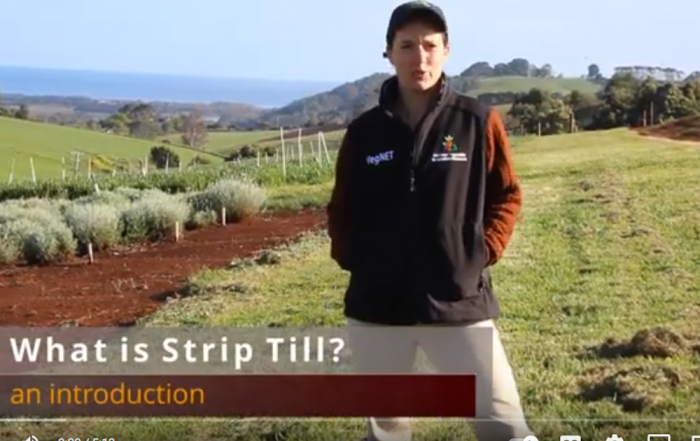
Strip-till in Tasmania; A reduced till farming system
Strip-till is a system of cultivation that works strips of soil where the crop will be planted or sown and leaves most of the soil covered and undisturbed. Strip tillage is currently used...
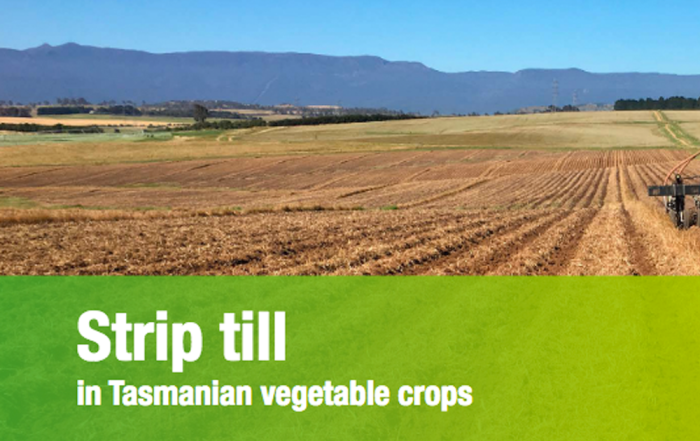
Strip-till in Tasmanian vegetable crops
Strip-till is a system of cultivation that works strips of soil where the crop will be planted or sown and leaves most of the soil covered and undisturbed. Read this fact sheet to find...
Am I wasting phosphorus?
Phosphorus is one of the most common elements found in plants, usually ranking 8th after carbon, oxygen, hydrogen (which combined make up around 95% of plant dry matter), nitrogen, potassium, silicon and calcium. Unlike...
Integrated Pest Management of vegetable pests – a more sustainable approach
Integrated Pest Management (IPM) refers to the combination of chemical, cultural and biological options for controlling insect pests in Australian vegetable crops. Watch this informative and interactive one-hour session to get the latest...
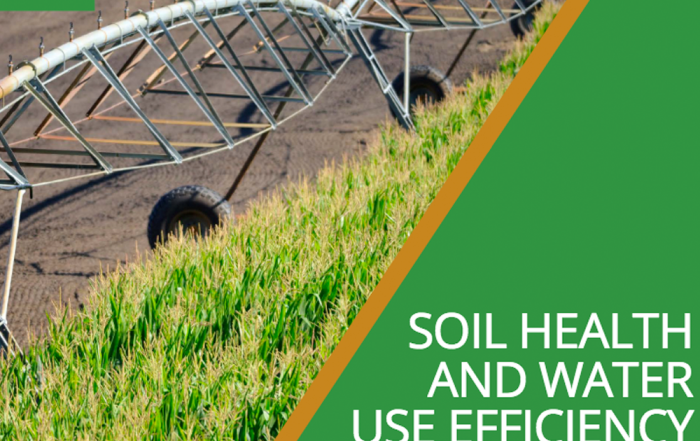
Soil health and water use efficiency
Using water efficiently means applying enough water to meet the needs of the crop - not more, not less. A soil in good condition consists of around 50% solid matter; this includes organic matter....
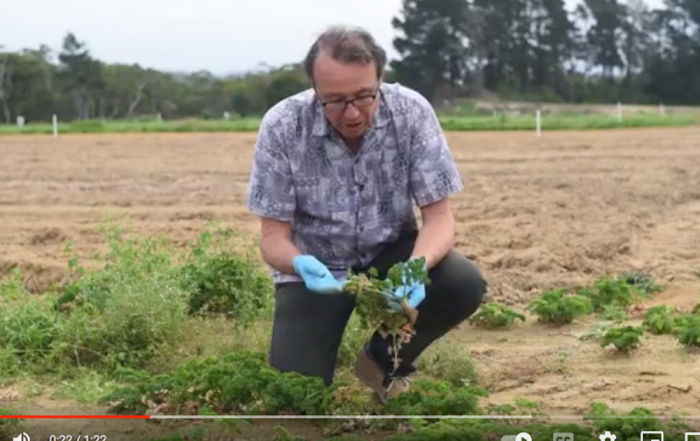
Soil Borne Disease Series: Summer Root Rot
The 2020 class of Agriculture Science Honours students at the Tasmanian Institute of Agriculture recently presented the findings from their final projects, many of which were relevant to growers in the vegetable industry....
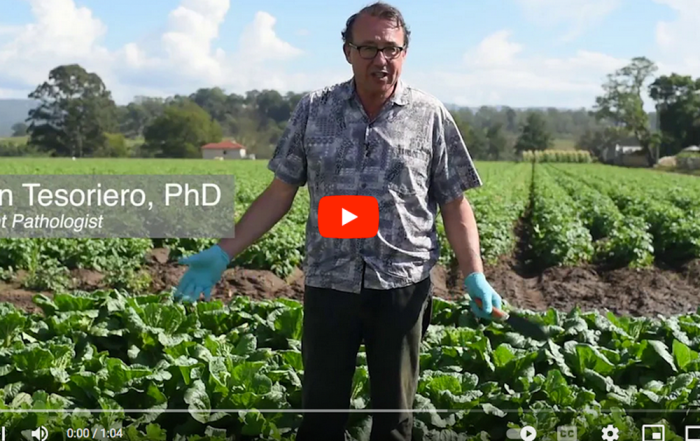
Soil Borne Disease Series: Club Root
A short video presented by Dr Len Tesoriero on the identification, causes and management of club root.
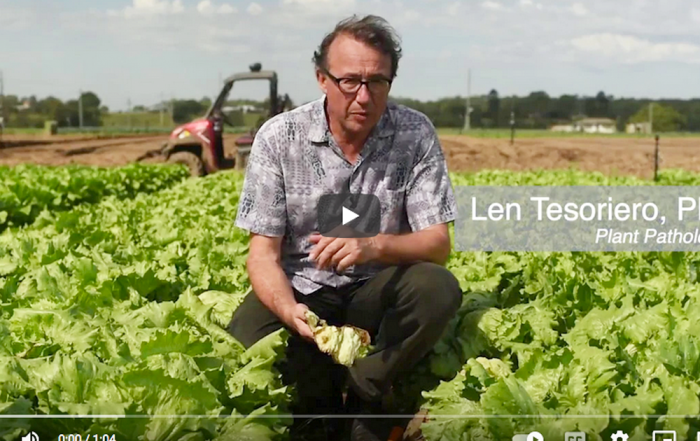
Soil Borne Disease Series: Bottom Rot
A short video presented by Dr Len Tesoriero on the identification, causes and management of bottom rot.
Soil Borne Disease Series: Black Rot
A short video presented by Dr Len Tesoriero on the identification, causes and management of black rot.
Soil Borne Disease Series: Big Vein
A short video presented by Dr Len Tesoriero on the identification, causes and management of big vein.
Soil Borne Disease Series: Basal Plate Rot
A short video presented by Dr Len Tesoriero on the identification, causes and management of basal plate rot.

Labile carbon
Labile carbon is the carbon most readily available as a carbon and energy source to microorganisms. Read this fact sheet to find out more about labile carbon and its use as a 'leading indicator' of...
Future focus – robotics and intelligent systems in Australian vegetable production systems
Robotics and intelligent systems are used throughout various agricultural industries to control, monitor and improve farming systems. The development of various systems to aid in increasing the economic performance of farms is prevalent...
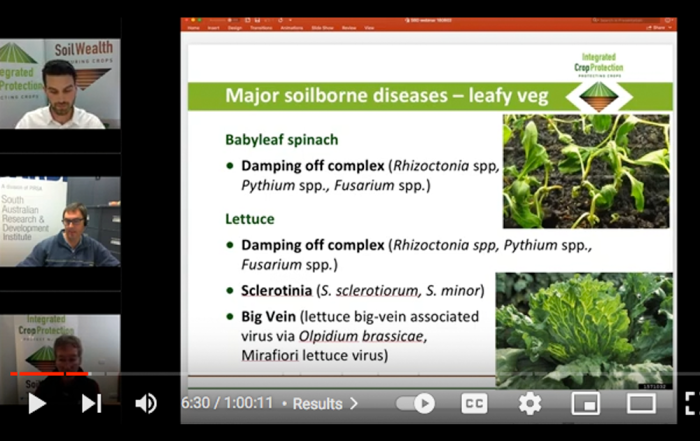
The role of soil DNA testing in managing the risk of soilborne diseases – how is it being used and what can it do?
Soilborne diseases pose a significant threat to vegetable crop health and losses. Disease pressure and prevalence is influenced by a number of factors including block selection, crop rotation, varieties, nutrition, irrigation and fumigation....
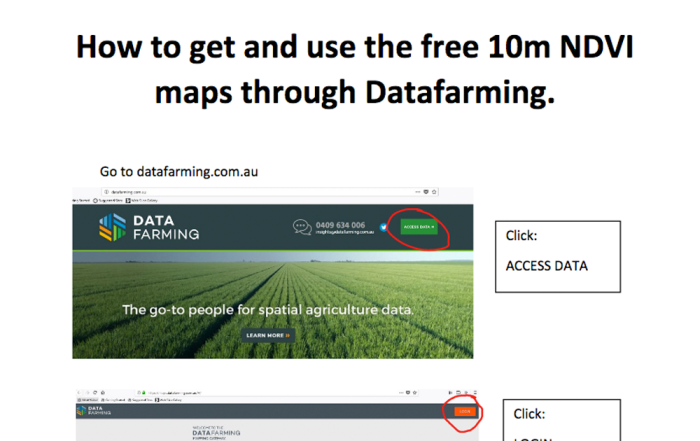
How to get and use the free 10m NDVI maps through DataFarming
Access the free data here and read the below guide, prepared by NRM North in Tasmania. Download file
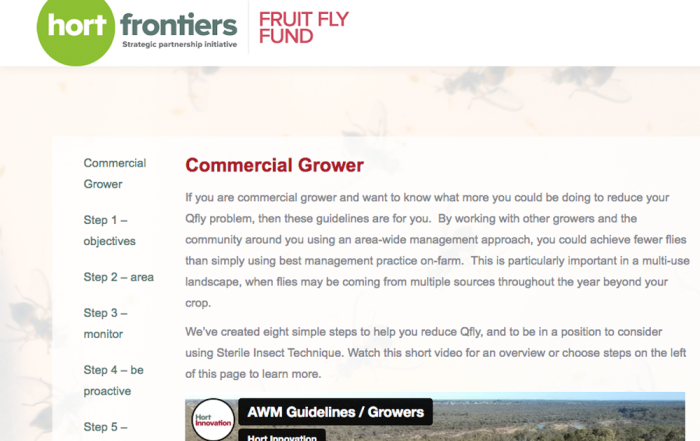
Adaptive Area-Wide Management for Queensland Fruit Fly using Sterile Insect Technique
Area-Wide Management (AWM) is a proven management approach for mobile pests around the world, employing a united strategy to target all pest habitats within a well-defined area or region to reduce the total pest...
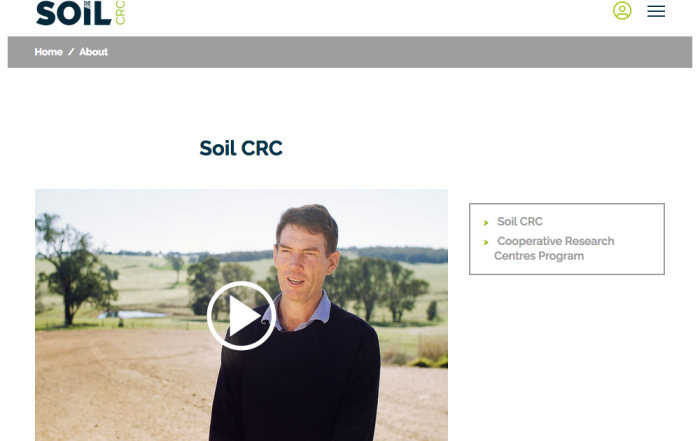
Soil CRC | Cooperative Research Centre for High Performance Soils
The CRC for High Performance Soils (Soil CRC) is bringing together scientists, industry and farmers to find practical solutions for Australia’s underperforming soils. Underperforming agricultural soils cost Australian farmers billions of dollars in lost...