
The Soil Wealth ICP ‘Integrated Pest Management in Action’ workshop series in September 2025 focused on how to monitor, manage and protect vegetable crops from insect pests. The workshops conducted in Victoria, South Australia and the Northern Territory provided participants with a practical approach to managing emerging pest threats and harbouring beneficials.
Participants heard from leading experts on:
- IPM essentials – how to integrate cultural, biological and chemical insect pest control measures
- Managing key insect pests – western flower thrips, diamondback moth and serpentine leafminer
- Beneficial insects – what they are and how they work for you
- Monitoring skills – practical tips for detection and decision-making
- Product application – correctly interpreting information from pesticide labels, matching chemical choices to specific pests and crop stages, managing resistance and understanding the consequences of label misuse.

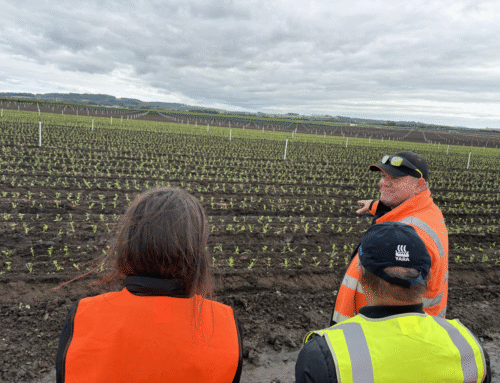
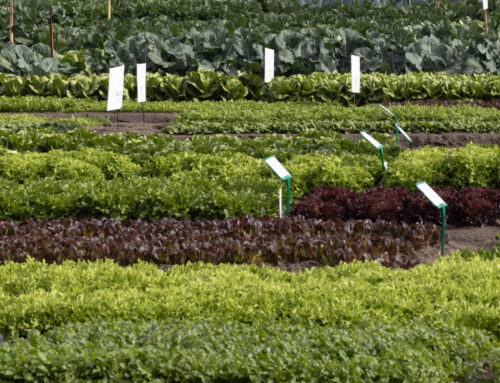
In-field monitoring at the IPM workshop in Victoria.
The workshop series kicked off at Coolibah Herbs in Pearcedale, Victoria, with technical expertise provided by Paul Horne and Rebecca Addison (IPM Technologies). The hands-on approach to the workshop provided vegetable growers with a fresh, practical look at IPM, with participants heading into the field to practice identifying and monitoring pests and beneficials.
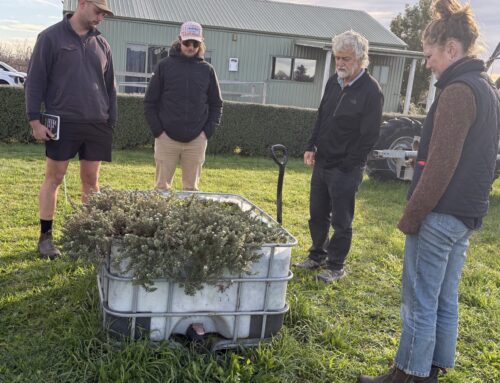
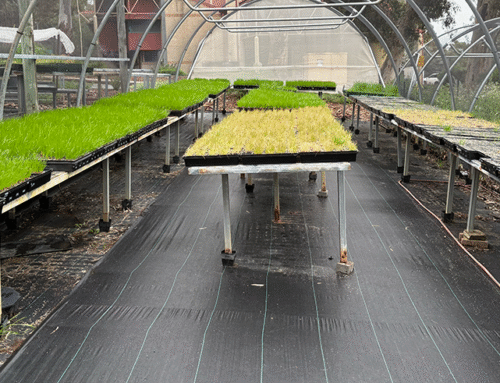
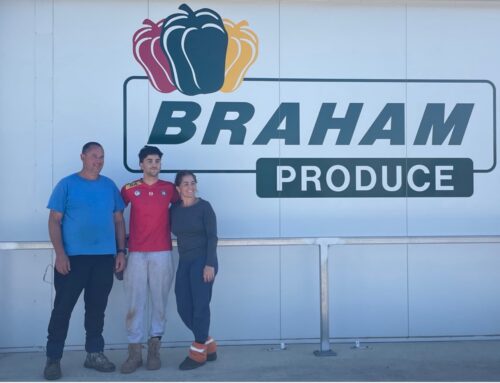
The roadshow then travelled to Braham Produce in Virginia, South Australia where the focus turned to managing pests in protected cropping systems, with technical support provided by Stephanus Malherbe (Biological Services).
In Darwin, workshop participants explored a range of IPM control methods suited to NT conditions – from cultural practices such as crop rotation, planting times and hygiene to the role of nutrition, and the use of biological control agents already present in the environment. Technical expertise was provided by Brian Thistleton (NT DPI) and Callum Hutcheson (Elders).

Participants at Braham Produce, South Australia.
Key lessons learnt:
- Matching pests and beneficials: Associating insect pests with their predators to help adopt an IPM approach to controlling insect pests.
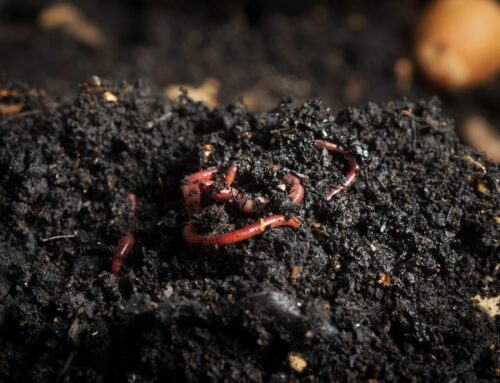
- Knowing your beneficials and how to retain them through physical control measures: Building predatory populations by creating a habitat and food source, such as sacrificial planting in field crops and using banker plants in protected cropping.
- Developing an IPM plan: Designing an IPM plan for a specific crop and season using the IPM control hierarchy, including cultural control options, biological control options and then chemical control options for specific insect pests.
- Managing chemical resistance: Adopting the intervention-prevention hierarchy in the order of environmental controls, physical controls, biological controls, biopesticides and then synthetic pesticides as a last resort. Chemicals should not be used in the crop while trying to develop a predatory population. Instead use sticky traps and bio-fungicides and pheromones.
- In-field monitoring techniques: Starting in ‘clean’ areas with limited pests and working towards ‘dirty’ areas with increased pest numbers. It is important to scan a wide area and identify hotspots, check several rows and several plants at each stop, as well as areas where you will expect to find pests.
“The NT workshop was a great day and the energy in the room was fantastic,” Soil Wealth ICP team member (AHR) Isabella Ellmers said.
“Seeing growers take away practical ideas they can use straight away on their farms is what makes sessions like this so worthwhile.”
Supporting resources including pest and disease guides, threshold handouts and spray recording books (from NT Farmers) were also provided to help participants continue applying IPM principles in their own production systems.
Thank you to the VegNET Regional Development Officers Daniel Bosveld (AUSVEG Vic), Peta Coughlin (AUSVEG SA) and Mariah Maughan (NT Farmers) for assisting with the workshops.

Participants at the NT IPM workshop.