Melon production in North Queensland relies on intensive, irrigated systems that leave little room for soil recovery between crops. Frequent tillage, limited rotation options, and tight planting windows (especially through the dry–wet transition) are common across the industry. Over time, this puts real pressure on soil structure, increases reliance on inputs, and heightens risks from pests, diseases, and variable seasonal conditions.
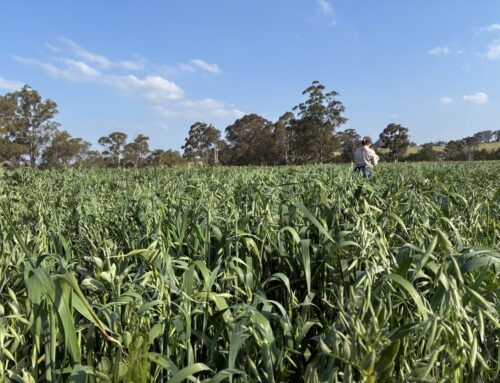
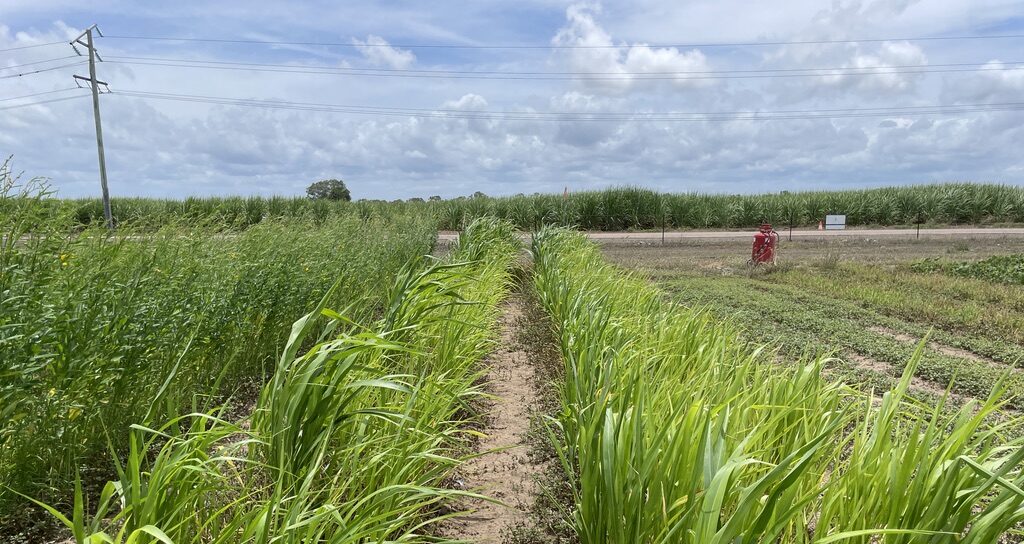
This demonstration at the Department of primary industries, Queensland Ayr Research Facility is designed to answer a key practical question for growers: which cover crop species can fit within these tight production windows and still deliver measurable soil health benefits?