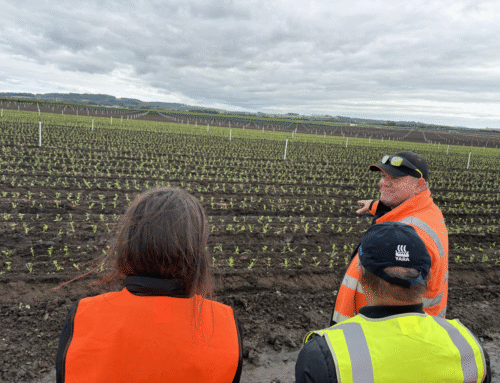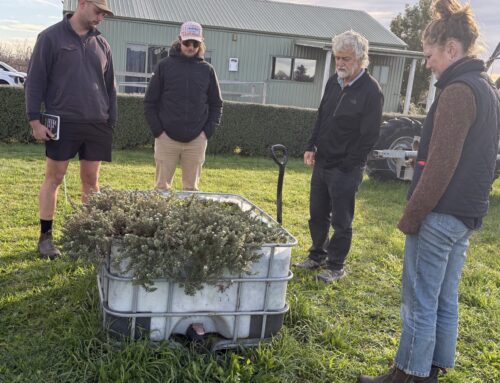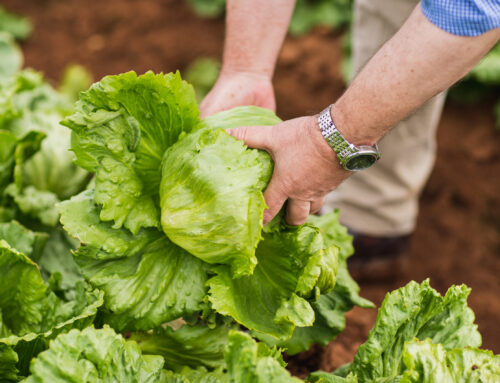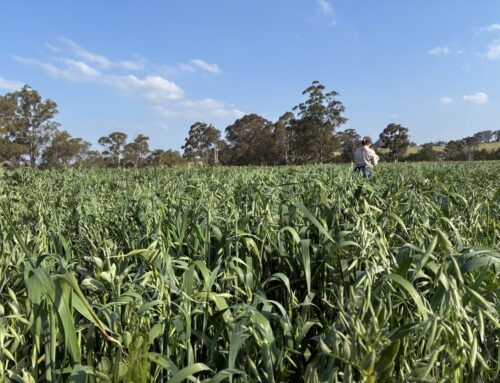
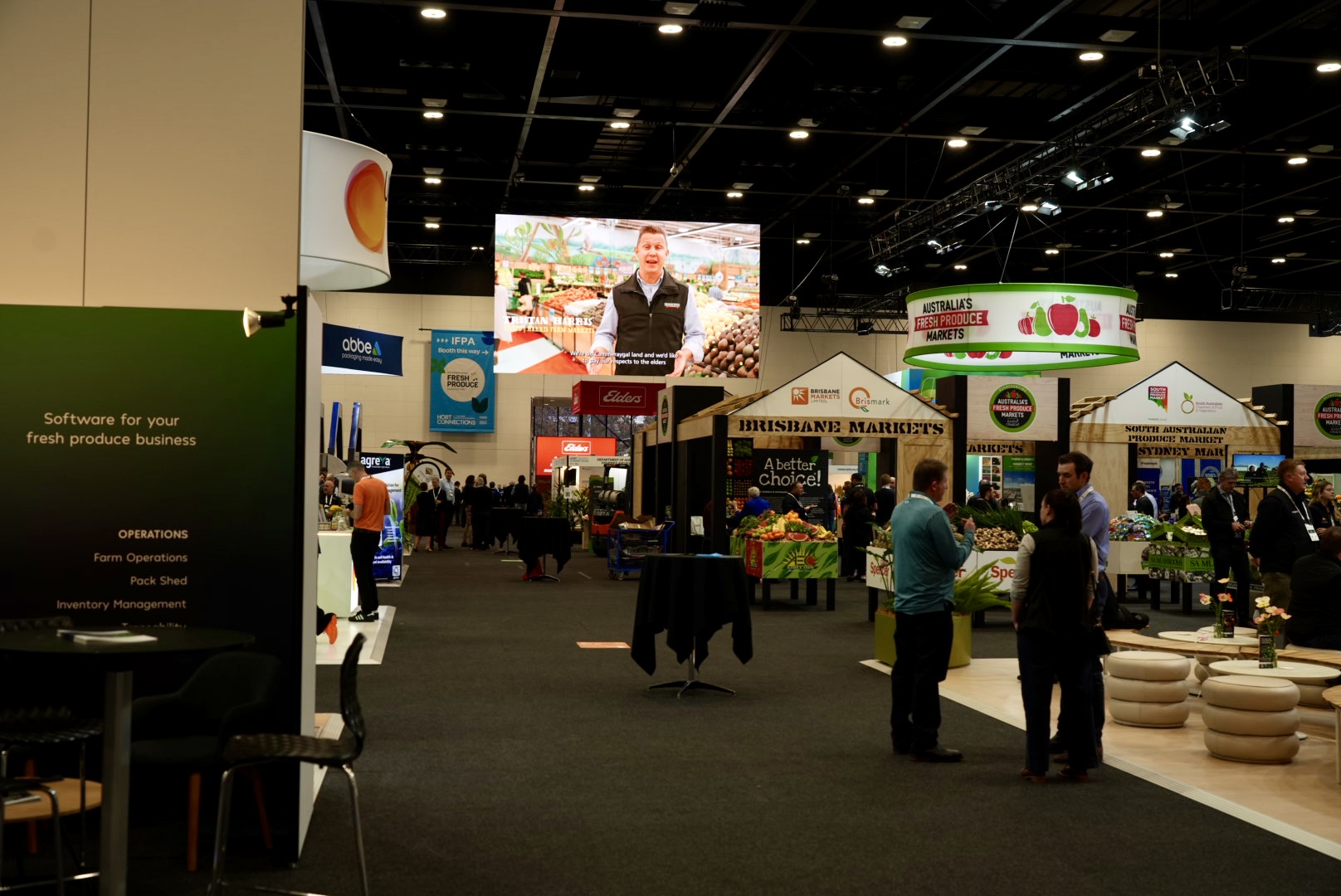
It was another whirlwind Hort Connections in Adelaide last week and the Soil Wealth ICP team enjoyed catching up with growers, researchers and industry members throughout the event.
For those who were unable to attend or missed the many speaker sessions on offer, we’ve summarised some of the key insights from speaker presentations related to Soil Wealth ICP, including soil management and plant health.
AI-powered crop protection
AI-powered crop protection technology featured prominently at Hort Connections this year, but two projects stood out: Bioscout and the Next Generation Weed Management project (Hort Frontiers BY23002).
Bioscout is tackling the 20% of crop losses caused by plant disease, by detecting disease before it becomes an issue. The system traps spores and uses AI-powered microscopes to identify and quantify pathogen load. It then provides real-time updates to the grower, enabling proactive management between 7-21 days before symptoms appear, reducing disease impact and the need for spraying. This early warning system can result in up to 70% reduction in sprays over a season, without compromising crop protection.
The Next Generation Weed Management project, led by Applied Horticultural Research (AHR), is examining several innovative weeder systems and their integration into Australian farming systems. The two main systems being evaluated are the Lazer weeder by Carbon Robotics and Ecorobotix’s ARA 620 UHP sprayer.
While the termination methods differ between the two systems (lasers and precision spraying, respectively), both use AI-powered machine vision to identify target weeds and eliminate them precisely. Both systems have returned impressive results in the early stages of the trials, with significant reductions in chemical use and labour. Crop yields have potentially increased; however, more data is required to confirm whether these yield increases are linked to the weeder systems.
A recent fact sheet from the project highlights the importance of readiness for implementing these technologies.
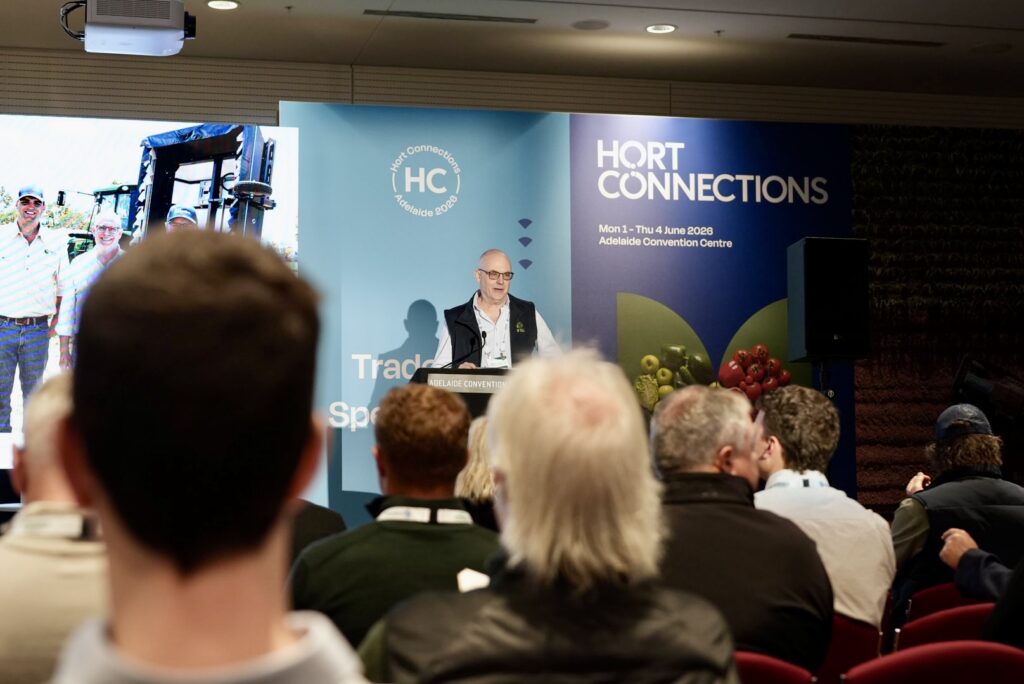
Gordon Rogers from Applied Horticultural Research presented on the Next Generation Weed Management project.
Achieving sustainable farms and businesses
A panel discussion provided a deep dive into on-farm sustainability, featuring Lilia Jenkins (Cesar Australia), Claire Kneller (Leading Harvest), Nathan Price (Yara Australia) and Joseph Batten (Nutrien). Three key drivers for sustainability were identified:
- Profitability and sustainability are inextricably linked, with sustainable farm businesses often operating at a highly efficient level
- Maintaining access to important crop protection products
- Mandatory carbon reporting for suppliers and EU market access.
When examining profit and sustainability, it is important to consider the cost of taking no action, which can be compounded by the loss of important chemistries through resistance or recalls, as well as the impact of an increasingly changing climate.
However, managing the soil both now and into the future in a way that optimises its performance (e.g. promoting and protecting its biological, chemical, and physical characteristics) leads to increased yields, often with fewer inputs, thereby increasing profitability.
Sustainability Panel discussion.
VegWatch: Bringing biosecurity and business continuity to the forefront
VegWatch (Vegetable Industry Biosecurity and Business Continuity Strategy, VG22004) was developed to improve grower preparedness for biosecurity incursions and to protect the business continuity of Australian vegetable farms.
Since the program launched in 2023, substantial work has been undertaken, including identifying exotic priority pests and diseases in collaboration with Plant Health Australia (PHA), preparing emergency response plans for each priority pest and disease, and working with growers through a range of extension activities to strengthen on-farm biosecurity practices, including the development of a Farm Biosecurity Manual.
Looking ahead, VegWatch is working to further prepare the industry for potential incursions by conducting risk mapping and targeted surveillance in high priority areas. This includes developing response plans that all states can adopt, allowing growers in affected states to continue trading where there is evidence of on-farm biosecurity and no recorded pest incursions in their region.
Congratulations to the Hort Connections organisers on another successful event and we look forward to next year’s conference in Melbourne.
Images courtesy of Hort Connections/AUSVEG.