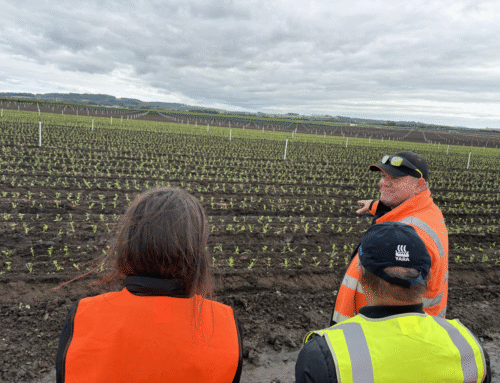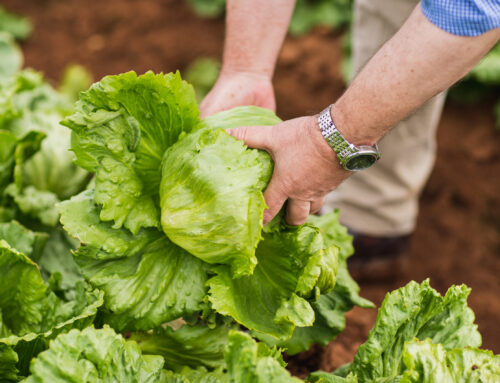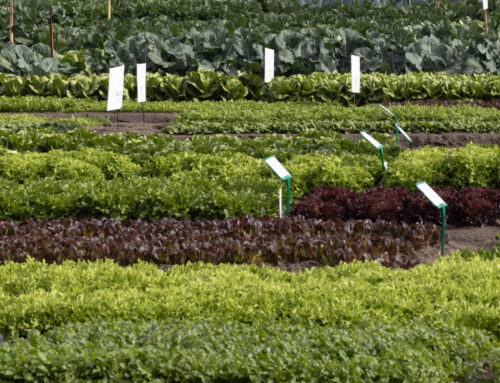
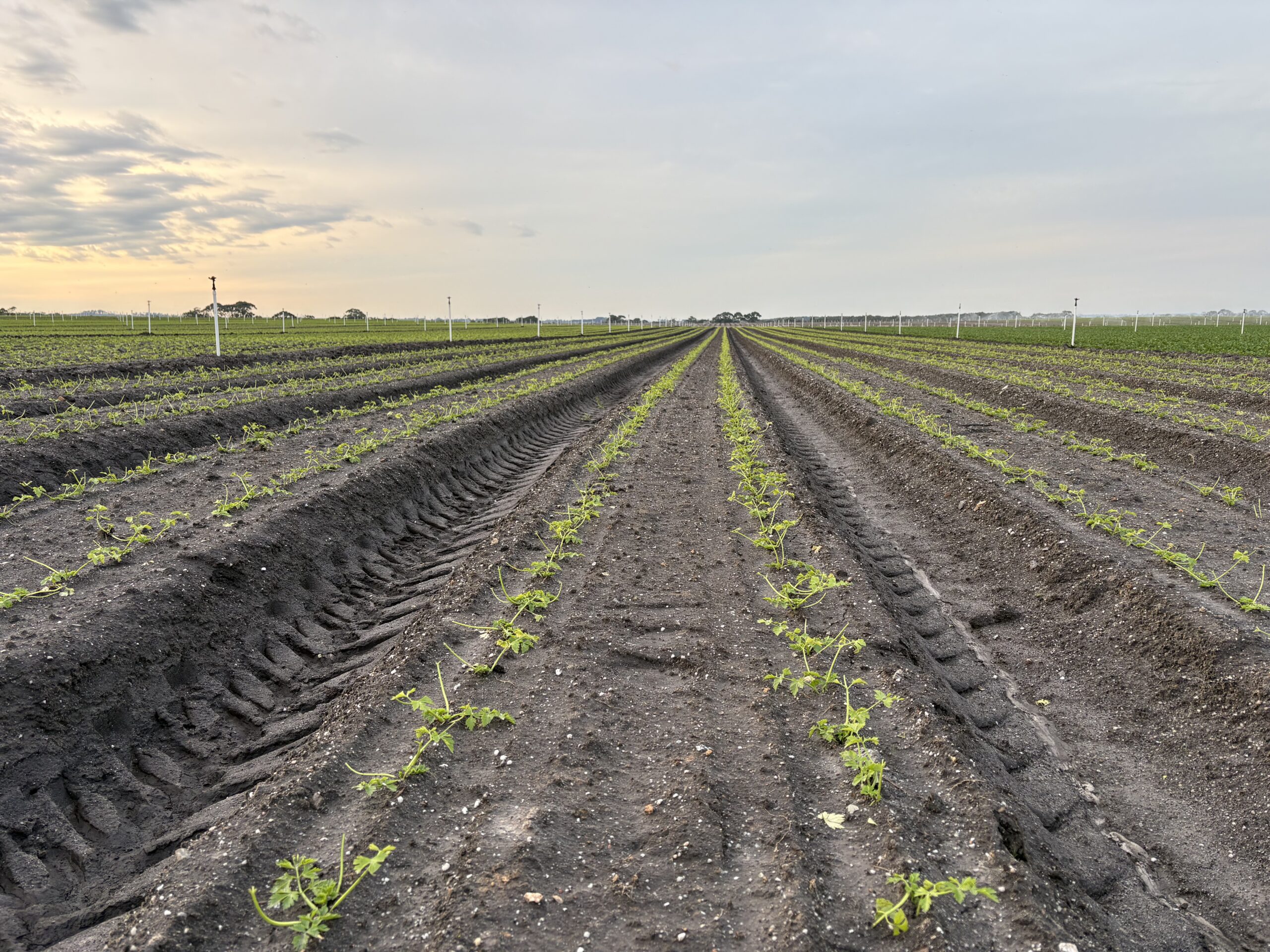
Our Tarwin demonstration site in South Gippsland, Victoria aims to maintain soil carbon in a clay loam greenfield site which has been converted from pasture to a vegetable production system rotation (predominantly celery, spinach and leek).
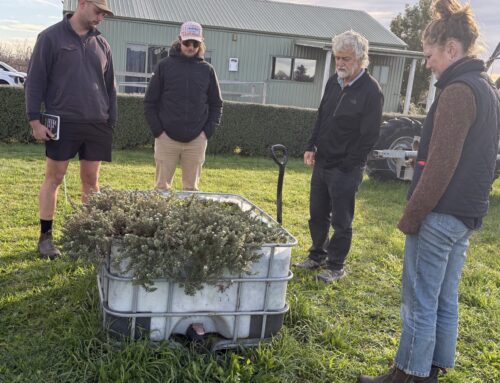
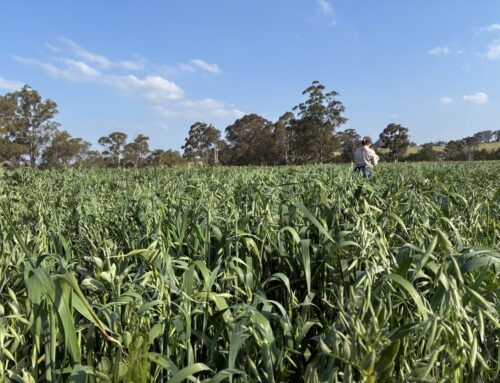
To achieve this, we’re trialling a combination of different cover crops, compost and minimum till with host grower Adam Schreurs of Schreurs & Sons. The Soil Wealth ICP team undertook a range of soil chemistry tests, structure assessments, and labile carbon field tests during April 2026.
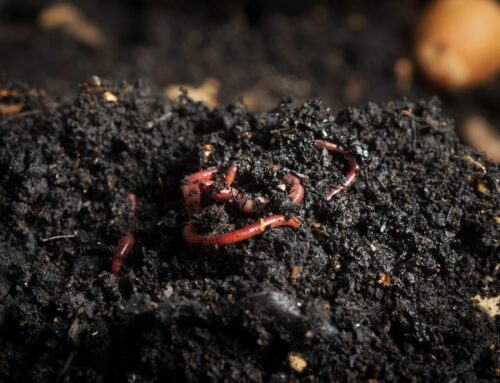
Soil carbon refers to the measure of carbon contained within soil organic matter, which is around 50% on average. It plays a key role in soil health. Labile carbon is the carbon most readily available as an energy source to microorganisms, and it’s a good leading indicator of soil biological activity.
Key findings
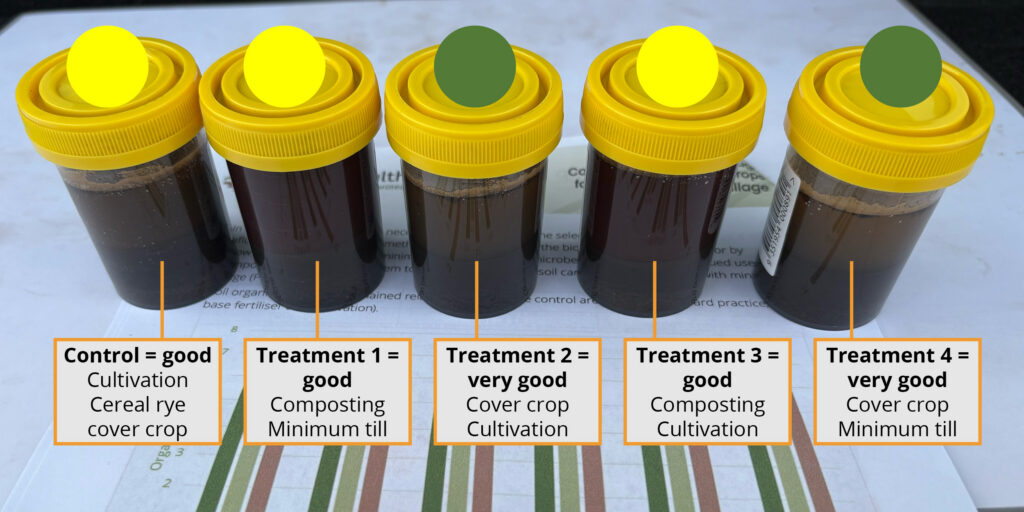
The labile carbon field test is useful to compare management practices that influence organic carbon. We undertook a labile carbon test and compared the results to previous years (Table 1 and Figure 1), which showed three key findings:
- Areas with cover crops had better labile carbon than areas that were left fallow and/or included compost in 2026 (Year 4) compared to 2025 (Year 3).
- The role of tillage may have been neutralised in the past 12 months due to the grower needing to land plane and reform beds to integrate GPS-controlled machinery across the farm.
- No treatments or the control area in the trial had poor-average labile carbon in 2026 (Year 4), demonstrating sustained improvement from previous years.
Table 1: Comparison of labile carbon field test results from 2024 (year 2) to 2026 (year 4)
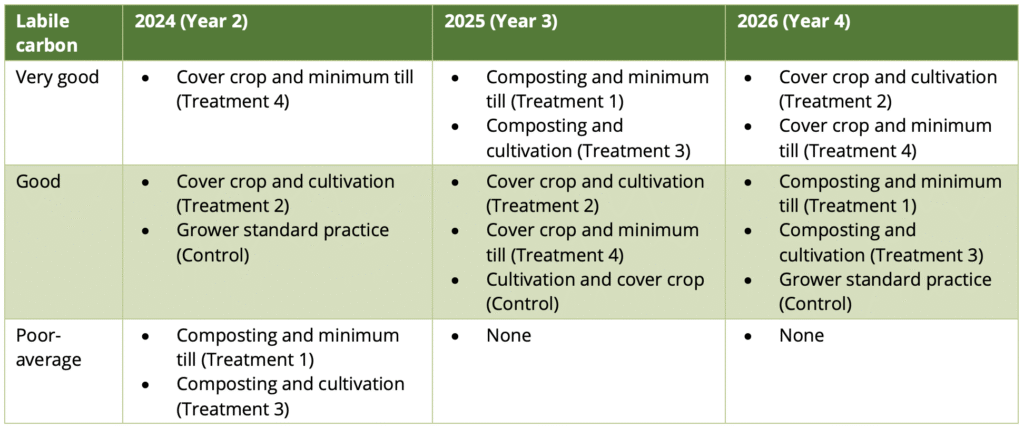
Figure 1: Labile carbon field test results with soil health ‘traffic light’ indicators
Watch our video walk-through of the Tarwin demonstration site to hear about the labile carbon field test results, soil structure assessments, and see the celery crop post-transplant.