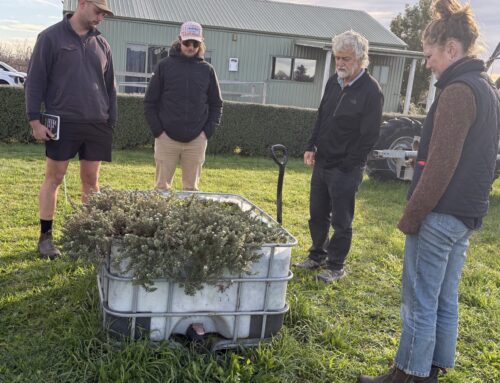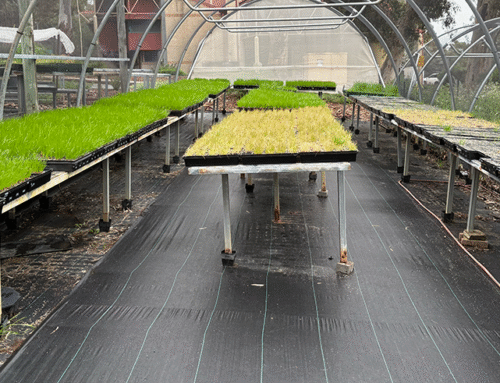
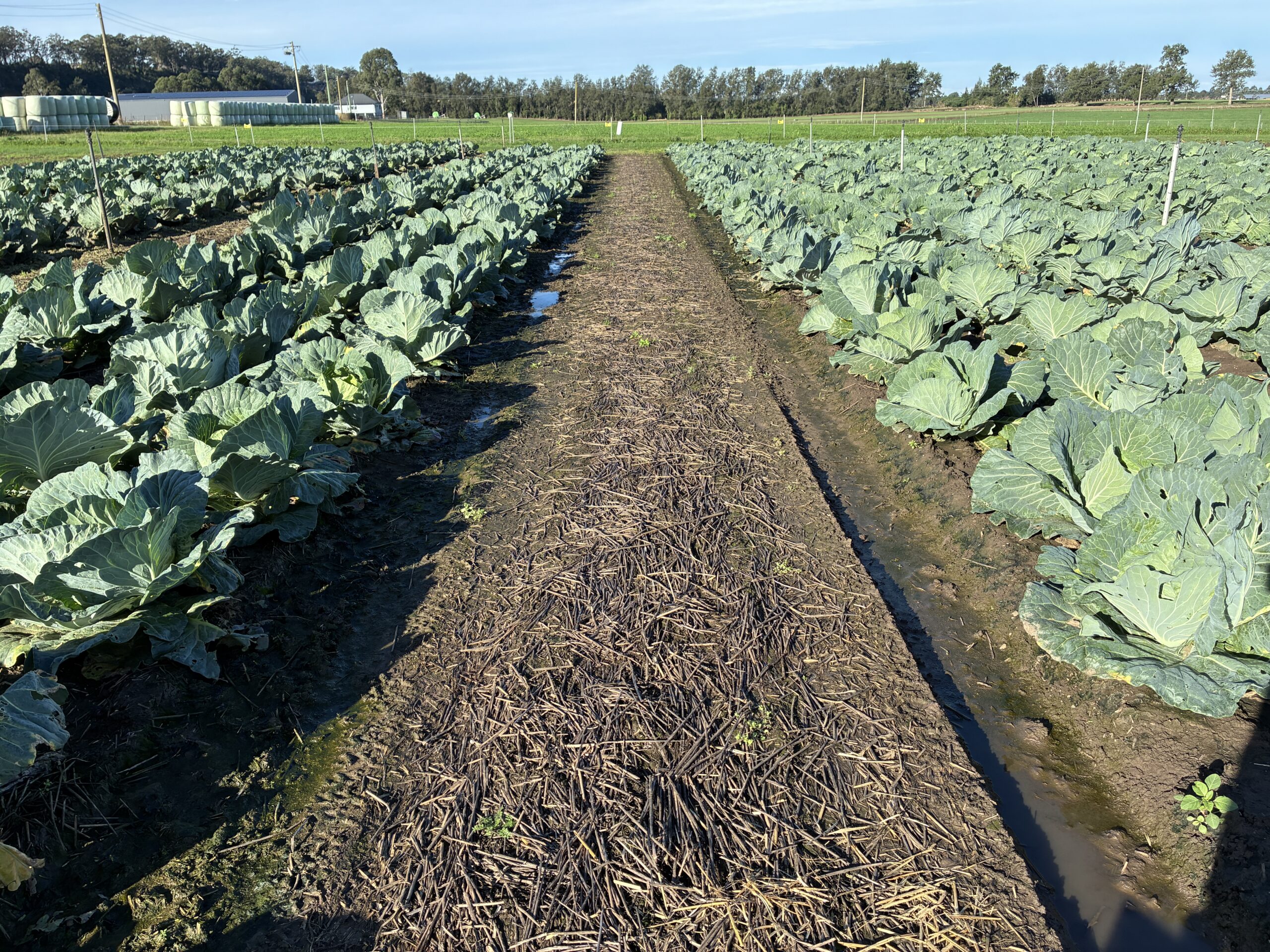
A demonstration trial investigating the role of cover crops and reduced tillage to improve soil health in vegetable production is entering its final stages at the Local Land Services Riverfarm site in Richmond, New South Wales.
The trial compares a cereal rye cover crop and reduced tillage system against a more conventional approach involving chemical fallow and intensive cultivation. The work aims to provide practical insights into how growers can maintain productive crops while reducing soil disturbance and supporting long-term soil health.
Comparing cover crop and tillage strategies
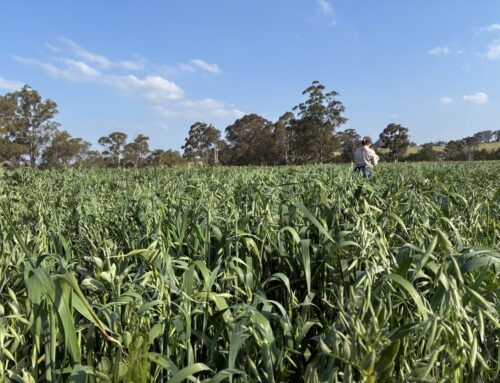
The trial includes two bays of cereal rye, with each terminated using a different method. One bay was terminated through mowing, while the second was sprayed and rolled to create a residue layer on the soil surface. These approaches are being evaluated for their practicality and their influence on subsequent crop establishment and soil condition.
Following cover crop termination, reduced tillage treatments were implemented using a modified rotary hoe. Most of the blades were removed, leaving only a small number in place to cultivate narrow strips of soil. These worked strips aligned directly with the transplanter, allowing seedlings to be planted only where soil disturbance had occurred while leaving the majority of the bed undisturbed.
In contrast, the conventional tillage treatment utilised a standard rotary hoe fitted with all blades, resulting in full-width cultivation of the planting beds. This approach reflects common industry practice and provides a benchmark against which the reduced tillage system can be assessed.
Monitoring crop performance
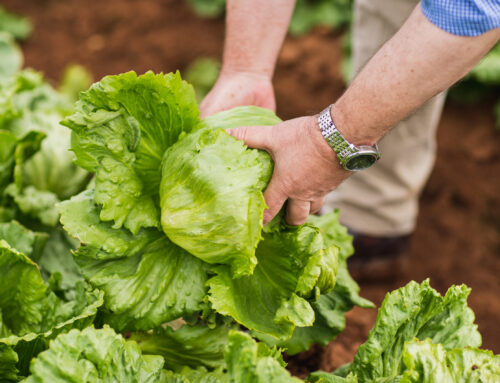
The vegetable crop established across the trial has been monitored throughout its growing cycle for pest and disease pressure. Standard commercial management practices and crop protection treatments were applied across all treatments to ensure the comparison reflects real-world production conditions.
Regular observations have focused on crop establishment, growth, pest and disease incidence, and overall crop performance. The trial has provided valuable opportunities to assess how cover crop residues and different levels of soil disturbance may influence crop production and management requirements.
Final assessments underway
The crop is now approaching maturity, with final sampling scheduled for mid June. These assessments will provide the last set of production and agronomic data needed to evaluate the different management systems.
The results will be incorporated into a partial budget analysis to compare the costs and benefits of each approach.
Look out for the full findings from the demonstration in our case study, due for release in August.