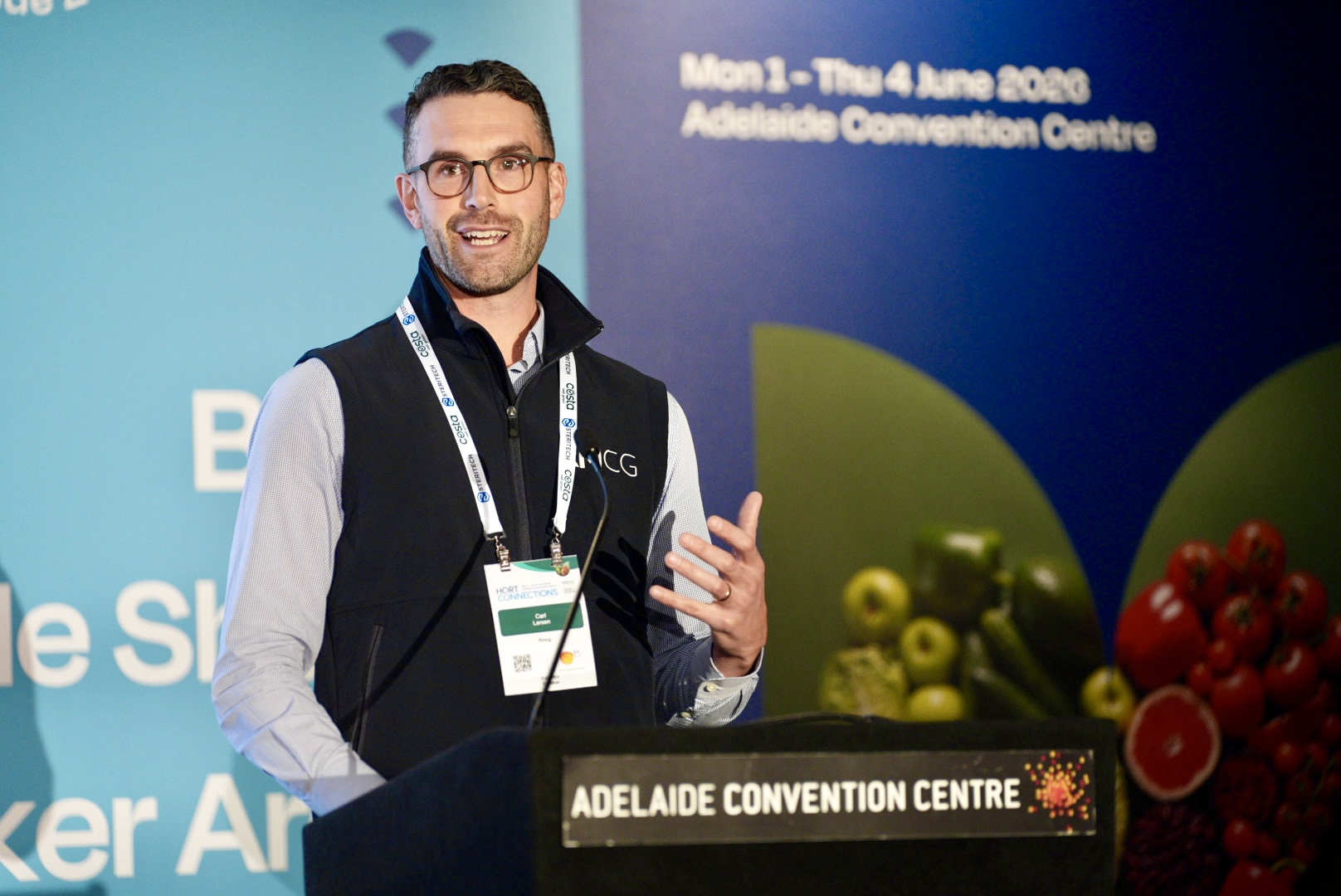
At Hort Connections 2026 in Adelaide, Carl Larsen from the Soil Wealth ICP team presented the project’s Regen Ag Toolbox to help answer the question: What does regenerative agriculture look like in annual horticulture?
In short, it depends on your farming system, location and goals – but at its core, it’s about good agronomic practices which build soil and plant health in the long run. Importantly, there are seven key principles for long-term stewardship that can translate into increased profitability:
- Reduce soil disturbance
- Maintain soil cover
- Keep living roots in the soil
- Build soil carbon
- Increase soil biology
- Reduce synthetic inputs
- Foster biodiversity.
These principles guide on-farm implementation of the practices, but before they are implemented, it’s important to understand the ‘why’ or your goals for implementation. Understanding this will help identify which principles and practices will deliver your desired outcome.
Why? Setting your goals
When understanding the why, the toolbox poses five questions to understand your goals for implementing regen ag practices. Unlike other sustainable farming practices, regen focuses on outcomes, and to achieve them, clear goals need to be set. Importantly, these goals should be SMART – specific, measurable, achievable, relevant and time-bound. So when planning implementation, consider:
- What is the issue or opportunity are you trying to address with regenerative agriculture?
- What are you already doing and doing well?
- What practice(s) will get you there, and will they be viable on your farm?
- Can this practice be integrated into your farming system?
- What off-farm support will help with adoption?
What? Practices to implement the principles
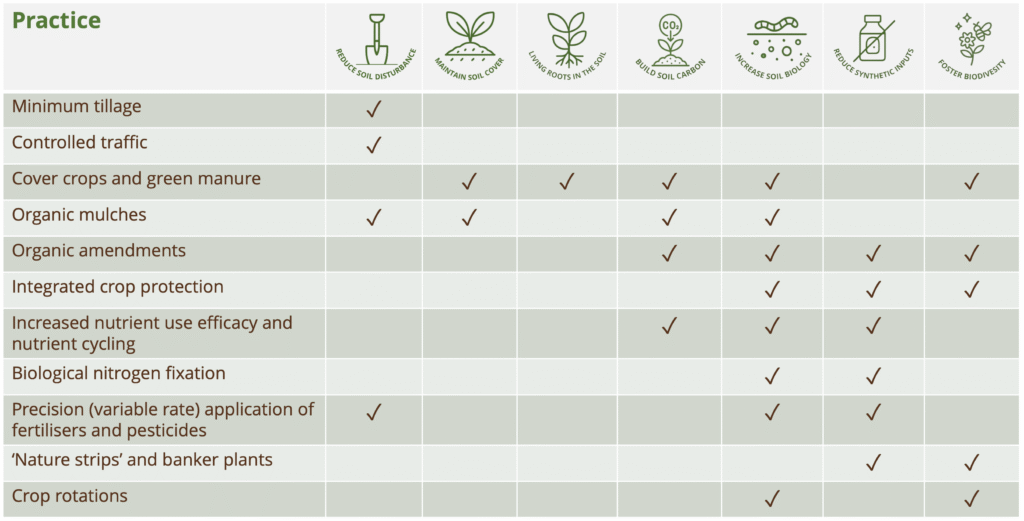
There are many ways to apply regen ag principles on the farm. The regen ag toolbox provides suggestions for select practices and how they align with the principles (Table 1). When implementing these practices, it’s essential to align them with your desired outcomes.
Table 1: Regen principles and practices in annual horticulture
Demonstrating regen ag in practice
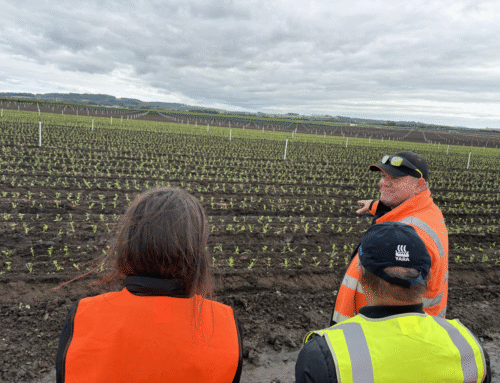
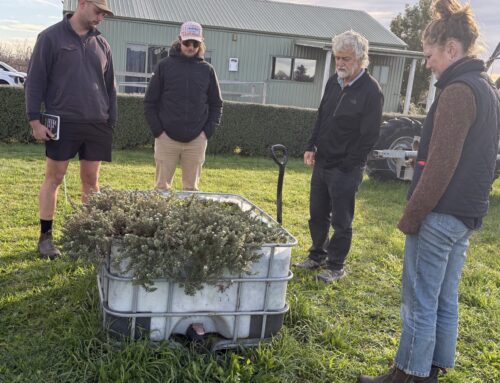
Importantly, Soil Wealth ICP has been putting these principles into practice at our demonstration sites. Carl discussed how regen ag practices were incorporated at our Tarwin and Lockyer Valley demo site trials in Victoria and Queensland.
Tarwin has implemented several regen principles, including building soil carbon, minimising disturbance, maintaining soil cover and keeping living roots in the ground, with the goal of building and increasing soil carbon.
The practices trialled include compost additions, cover cropping and reduced tillage. The results are impressive with 33% less diesel used and 50% reduced labour (from reduced tillage) and a 50% decrease in irrigation during the first six weeks of crop establishment. All treatments that included a cover crop showed increased or maintained soil carbon over the three-year trial.
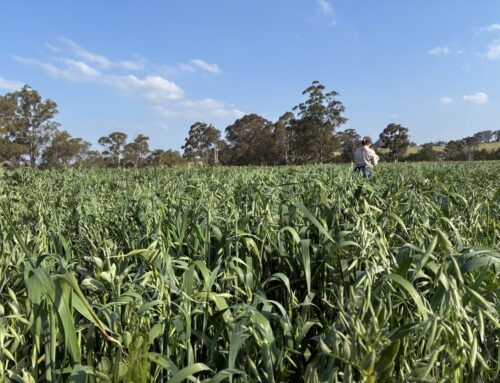
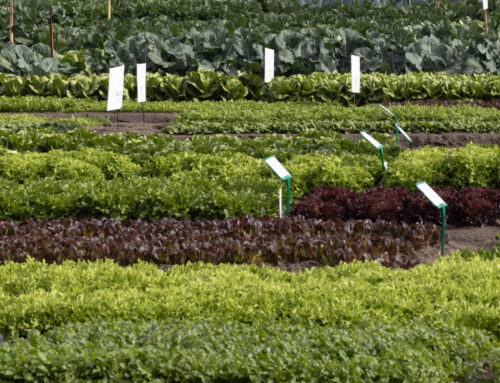
Lockyer Valley has been focusing on increasing soil biology and reducing synthetic inputs by using legume cover crops. The goal is to optimise nitrogen release from nitrogen-fixing cover crops.
The multi-year trial has shown promising results, including increased biological activity and nutrient cycling, increased marketable yield and reduced fertiliser costs per hectare, from utilisation of nitrogen fixed from the cover crops.
If you are keen to learn more about regen ag practices and applying them on your farm, register for our upcoming masterclass in July (spaces are limited).
Image courtesy of Hort Connections/AUSVEG